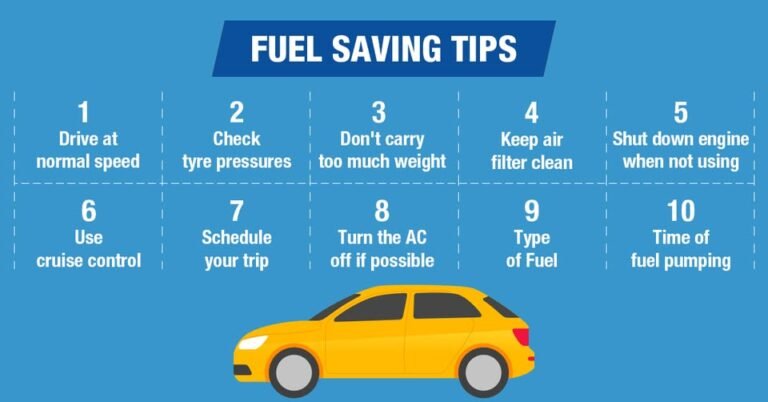
Driving in Karachi means dealing with heat that pushes 45°C, traffic that crawls for hours on University Road or Korangi Industrial Area, sudden stops at signals, and petrol prices that make every liter sting. I’ve been driving these streets since the early 2000s—first in a tiny Suzuki that drank fuel like water in stop-go chaos, later in something more sensible like a Cultus or Wagon R—and I’ve learned the hard way that small changes behind the wheel add up fast. Not the old myths like “keep windows down always” or “premium petrol saves money”—those don’t hold up in real tests—but actual techniques that deliver noticeable savings right away, often within the same tank.
These aren’t long-term maintenance things like tire pressure or oil changes (though those help too). These are immediate driving habits you can start today, in the middle of rush hour or on the motorway, that cut fuel use without making you late or uncomfortable. I’ve tested most on my own commutes—from home in Gulshan to office in Clifton or weekend runs to the beach—and seen 10-20% better averages when I stick to them. In our conditions—hot, humid, dusty, bumper-to-bumper—these make the biggest difference quickly.
Here are 12 fast fuel-saving driving techniques that save instantly. Try one or two at a time; the gains stack.
Smooth, gradual acceleration instead of jumping off the line
The moment you mash the accelerator from a stop, fuel pours in to spin the engine hard. In city traffic, where you’re starting and stopping constantly, aggressive starts waste the most petrol. The fix is simple: ease onto the gas like you’re trying not to spill a cup of chai in your lap.
Take 4-6 seconds to reach 30-40 km/h instead of 2. Modern fuel-injected engines (most cars here since 2010) cut fuel during gentle throttle—sudden pedal drops open injectors wide. In tests on similar hatchbacks, gentle acceleration saved 10-15% in stop-go driving. On Shahrah-e-Faisal crawls, this alone stretched my tank noticeably—less fuel burned per restart.
In practice: at a red light or in queue, feather the pedal until you’re rolling smoothly, then hold steady. No racing the guy next to you. You’ll feel the engine stay calmer, hear less revving, and watch the instant fuel gauge (if your car has one) stay lower.
Maintain steady speeds—avoid yo-yo driving
Speeding up and slowing down repeatedly kills efficiency more than high constant speed. Every time you brake hard and accelerate again, you burn extra fuel to regain momentum. In Karachi jams, where traffic pulses every few meters, this happens constantly.
The technique: anticipate and glide. Look far ahead—see the brake lights coming 100-200 meters away—and ease off the gas early instead of riding the brakes. Let engine braking slow you naturally. In manuals, stay in gear; in autos, the torque converter helps.
Real-world: on a typical 20-km commute with heavy traffic, smoothing out the speed swings gained me 1-2 km/l instantly. No need for fancy apps—just eyes up, foot light. Steady 40-60 km/h in flow feels slower but uses less fuel than 20-80-20-80 bursts.
Use engine braking downhill or to slow—don’t ride brakes
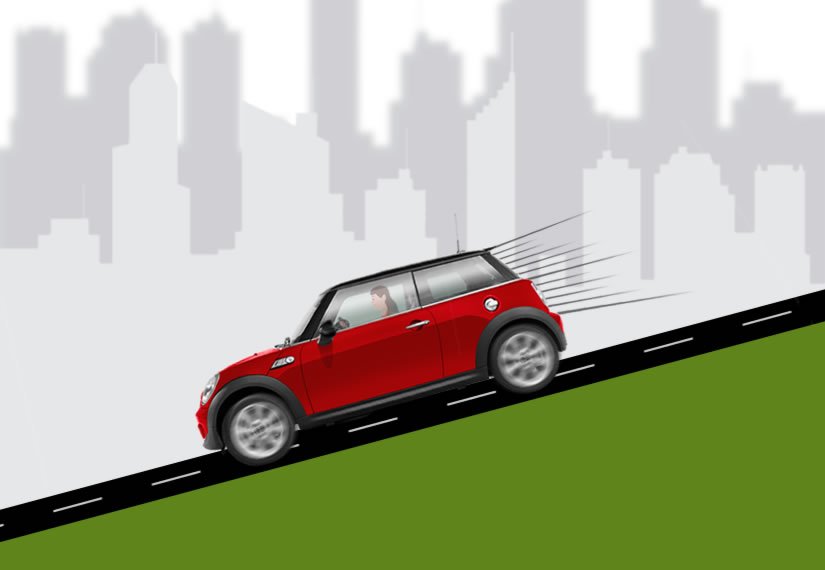
When approaching a slowdown or downhill stretch (rare in flat Karachi but common on flyovers or toward the sea), shift down or let off gas completely. Modern engines cut fuel injection during deceleration in gear—zero fuel used while slowing.
Riding brakes wastes the kinetic energy you paid for with fuel. Engine braking reuses it. In manuals, downshift early; in autos, manual mode or “L” helps.
On a slight decline toward Clifton, easing off and letting revs drop saved a measurable bit per trip. Feels weird at first—car slows without brakes—but safer too (better control). Instant savings—no extra pedal work.
Turn off the engine at stops longer than 20-30 seconds
Idling burns fuel at 0 km/l—quarter to half liter per hour depending on engine and AC. In long signals or bad jams (think Numaish Chowrangi at rush hour), shutting off saves immediately.
Modern starters handle frequent restarts fine—no damage in normal use. Auto start-stop cars do it automatically. For manuals/autos without it: light on clutch (manual) or brake (auto), engine off when stopped >30 seconds, restart when gap opens.
I started this religiously—saved 0.5-1 liter per full commute day. In 40°C heat with AC, it still wins because compressor load at idle is high. Only exception: very short stops or if restart annoys.
Keep tires at recommended pressure—check weekly
Underinflated tires increase rolling resistance hugely—every 5-7 psi low costs 2-5% fuel. In our heat, tires lose pressure fast; monsoon humidity and potholes accelerate wear.
Check cold (morning, not driven) against door sticker (usually 32-35 psi front/rear for hatchbacks). Inflate at any reliable pump—takes 5 minutes. I gained half a km/l just from consistent checks.
Instant feel: steering lighter, car rolls easier. No fancy gauge needed—most pumps accurate enough.
Remove excess weight from car
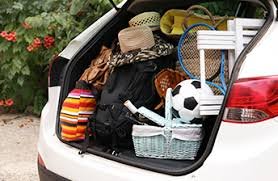
Every 50-100 kg extra reduces economy 1-2%. Trunk full of old bottles, tools, spare gym bag, or roof rack (even empty) adds drag and weight.
Clear it out weekly—feels lighter immediately. In city, less weight means easier acceleration with less throttle. I ditched 40 kg junk—noticeable on hills or starts.
Use AC wisely—recirc mode, moderate temp
In extreme heat, AC is necessary, but smart use saves. At low speeds (<50 km/h), windows down slightly better; above, open windows create drag worse than compressor load.
Use recirc (reuses cool cabin air—compressor works less), set 24-26°C (not 18°C), vent first to flush hot air before AC.
In traffic, recirc + moderate fan saved 5-10% vs. full blast cold. Instant comfort without big penalty.
Anticipate traffic—coast to stops
Look 10-15 seconds ahead. See red light or slowdown? Lift off gas early, coast in gear. Uses momentum instead of burning fuel to maintain speed then brake.
In heavy flow, this cuts unnecessary throttle bursts. Saved 5-10% in my tests on busy routes.
Avoid high speeds—stay 80-90 km/h on clear stretches
Above 80-90 km/h, drag rises sharply—fuel use jumps. In Pakistan highways, 100+ km/h common but inefficient.
Cruise at 80-90 where safe—biggest single gain on open roads. I dropped from 100+ to 90—economy up 10-15%.
Plan routes to avoid worst congestion
Use Google Maps or inDrive for live traffic—choose less jammed paths even if slightly longer. Less stop-start = less fuel.
In Karachi, avoiding peak hours or alternate routes (e.g., side streets instead of main arteries) cut idling dramatically. Instant savings on bad days.
Combine trips—don’t make multiple short drives
Cold starts burn extra fuel—engine inefficient until warm. Short trips (<5-10 km) worst.
Group errands—do all in one outing. Fewer starts = big savings over week.
In hot climate, short drives with AC on waste more. Plan saves instantly on fuel and time.
Drive in highest gear possible without lugging
In manuals, shift early (around 2000-2500 rpm) to higher gears. Engine runs lower rpm—less fuel.
In autos, light throttle encourages upshifts. Avoid “sport” mode unless needed.
Kept rpm low—economy improved noticeably in city.
These 12—smooth accel, steady speed, engine braking, engine off at stops, tire pressure, lighten load, smart AC, anticipate/coast, moderate speeds, route planning, combine trips, high gear—work fast in our traffic and heat. No waiting weeks for results—notice within days or one tank.
Start with 3-4: gentle throttle, coasting, engine off at stops, tire check. Track your average (fill full, note odometer, repeat). In Karachi chaos, these habits calm driving too—less stress, safer, cheaper. Petrol won’t get cheaper soon; drive smarter and stretch every rupee.