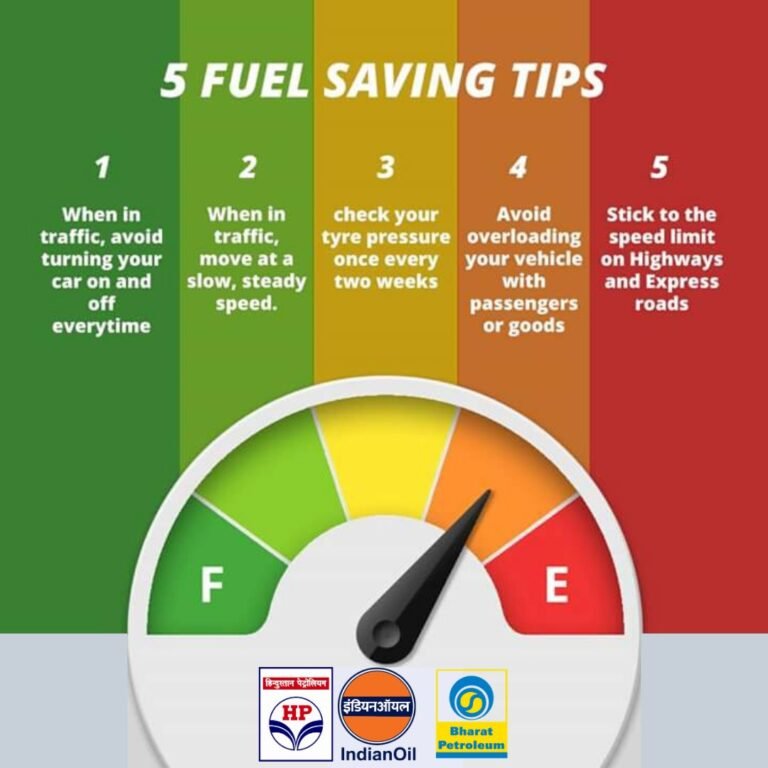
Fuel efficiency is one of those things most drivers think about—but not always in a structured or consistent way. People often chase quick fixes: a fuel additive here, a premium gasoline upgrade there, or even myths like turning off the air conditioner completely. But in reality, long-term fuel savings come from habits, not hacks.
What you do every day behind the wheel matters far more than occasional adjustments. The difference between a fuel-efficient driver and an inefficient one can easily reach 20–40% in consumption over time. That’s not a small margin—it’s the difference between frequent refueling and noticeable savings.
This article explores 11 deeply practical, field-tested habits that drivers can adopt. Along the way, you’ll find structured tables, comparisons, and simple analytical breakdowns to help you not just understand, but actually apply these habits in real life.
- accelerate gradually, not aggressively
One of the biggest fuel-wasting behaviors is rapid acceleration. Pressing hard on the pedal forces the engine to burn more fuel to deliver power instantly.
When you accelerate gradually, the engine operates within an efficient range. This doesn’t mean driving slowly—it means building speed smoothly.
Impact of acceleration styles:
| Acceleration Style | Fuel Consumption | Engine Stress | Efficiency Score |
|---|---|---|---|
| Aggressive | High | High | Low |
| Moderate | Medium | Medium | Balanced |
| Gradual | Low | Low | High |
A good rule: take about 5 seconds to reach city speed (50–60 km/h). This keeps fuel usage in check without slowing traffic.
- maintain consistent speed whenever possible
Constant speed is the sweet spot for fuel efficiency. Frequent speed fluctuations force the engine to repeatedly adjust, consuming more fuel.
Using cruise control on highways can help maintain a steady pace, but even without it, conscious speed control makes a big difference.
Speed stability vs fuel usage:
| Driving Pattern | Fuel Efficiency |
|---|---|
| Constant speed | High |
| Frequent acceleration | Low |
| Stop-and-go | Very Low |
Consistency reduces wasted energy and creates smoother driving conditions.
- anticipate traffic and avoid unnecessary braking
Braking wastes energy—plain and simple. Every time you brake hard, you lose momentum that required fuel to build.
Instead, anticipate traffic flow:
- Watch signals ahead
- Observe brake lights early
- Coast instead of accelerating toward stops
Driving anticipation effect:
| Driving Behavior | Fuel Loss | Smoothness |
|---|---|---|
| Reactive driving | High | Low |
| Predictive driving | Low | High |
This habit alone can reduce fuel consumption significantly in urban areas.
- keep tires properly inflated
Underinflated tires increase rolling resistance, forcing the engine to work harder.
Even a slight pressure drop can affect efficiency.
Tire pressure impact:
| Tire Condition | Rolling Resistance | Fuel Impact |
|---|---|---|
| Underinflated | High | Increased |
| Properly inflated | Optimal | Efficient |
| Overinflated | Low | Slight gain (less comfort) |
Check tire pressure monthly and before long trips. It’s a simple habit with immediate benefits.
- reduce excess weight in your vehicle
Cars are not storage units, yet many drivers carry unnecessary items daily.
Extra weight directly impacts fuel consumption because the engine must generate more energy to move the vehicle.
Weight vs fuel efficiency:
| Extra Load (kg) | Fuel Consumption Increase |
|---|---|
| 20 kg | ~1% |
| 50 kg | ~2–3% |
| 100 kg | ~5% |
Clearing out your trunk regularly can lead to measurable savings.
- limit idling time
Idling consumes fuel without moving the vehicle—essentially zero efficiency.
Modern engines don’t require long warm-up periods, so letting your car idle for extended durations wastes fuel.
Idling comparison:
| Scenario | Fuel Efficiency |
|---|---|
| Engine off | Maximum |
| Short idle (<1 min) | Moderate loss |
| Long idle (>5 min) | High loss |
If you expect to stop for more than a minute, consider turning off the engine.
- use air conditioning wisely
Air conditioning increases engine load, which in turn increases fuel consumption. However, completely avoiding it isn’t always practical.
Smart usage strategies:
- Use AC at moderate settings
- Ventilate the car before turning it on
- Avoid maximum cooling when unnecessary
AC usage effect:
| AC Setting | Fuel Impact |
|---|---|
| Off | None |
| Moderate | Medium |
| Maximum | High |
Balance comfort with efficiency rather than choosing extremes.
- drive at optimal speeds
Driving too fast or too slow reduces fuel efficiency. Most vehicles have a “sweet spot,” usually between 60–90 km/h.
Speed vs fuel efficiency:
| Speed Range | Efficiency Level |
|---|---|
| 0–30 km/h | Low |
| 40–70 km/h | High |
| 80–100 km/h | Moderate |
| 110+ km/h | Low |
Higher speeds increase aerodynamic drag significantly, which requires more fuel.
- maintain your vehicle regularly
A well-maintained car runs more efficiently. Neglecting maintenance leads to reduced engine performance and higher fuel consumption.
Key maintenance areas:
- Engine oil quality
- Air filter cleanliness
- Spark plugs condition
- Fuel system health
Maintenance impact:
| Maintenance Level | Fuel Efficiency |
|---|---|
| Poor | Low |
| Average | Moderate |
| Regular | High |
Regular servicing ensures optimal engine performance.
- use the right gear at the right time
Driving in the wrong gear can strain the engine and waste fuel.
For manual cars:
- Shift early at lower RPMs
- Avoid revving unnecessarily
For automatic cars:
- Maintain steady throttle input
- Avoid sudden acceleration
Gear usage efficiency:
| Driving Habit | Fuel Use |
|---|---|
| High RPM driving | High |
| Balanced shifting | Medium |
| Low RPM efficiency | Low |
Efficient gear usage keeps the engine in its optimal operating range.
- plan trips and combine errands
Short, repeated trips consume more fuel than a single, planned journey. Cold engines are less efficient, so frequent short drives increase consumption.
Trip planning benefits:
| Trip Type | Fuel Efficiency |
|---|---|
| Multiple short trips | Low |
| Combined trips | High |
| Planned route | Very High |
Combining errands reduces total driving time and fuel usage.
fuel-saving habit synergy chart
When combined, these habits create a compounding effect rather than isolated improvements.
| Number of Habits Applied | Estimated Fuel Savings |
|---|---|
| 1–2 habits | 5–10% |
| 3–5 habits | 10–20% |
| 6–8 habits | 20–30% |
| 9–11 habits | 30–40% |
This shows how consistency across multiple areas produces the best results.
daily driving efficiency checklist
Here’s a simple checklist you can mentally follow before and during every drive:
| Habit | Check |
|---|---|
| Smooth acceleration | ✔ |
| Tire pressure checked | ✔ |
| No unnecessary weight | ✔ |
| Planned route | ✔ |
| Minimal idling | ✔ |
Turning these into routine behaviors is the ultimate goal.
faqs
- what is the easiest way to save fuel while driving
The easiest way is to accelerate smoothly and maintain a consistent speed. These two habits alone can significantly reduce fuel consumption. - does driving slower always save fuel
Not always. Driving too slowly in low gears can reduce efficiency. Maintaining a steady, moderate speed is more effective. - how often should i check tire pressure
At least once a month and before long trips. Proper tire pressure ensures optimal fuel efficiency. - is idling really that bad for fuel economy
Yes. Idling burns fuel without moving the vehicle, making it one of the least efficient driving behaviors. - can vehicle maintenance really affect fuel consumption
Absolutely. A poorly maintained engine can consume significantly more fuel than a well-maintained one. - do small habits really make a big difference
Yes. Individually they seem minor, but combined they can improve fuel efficiency by up to 30–40%.
final thoughts
Fuel efficiency isn’t about dramatic changes—it’s about small, consistent improvements. Each habit you adopt contributes a little, but together they transform how your vehicle performs.
The key is awareness. Once you become conscious of how your driving style, maintenance routine, and daily decisions affect fuel usage, efficiency becomes second nature.
Over time, these habits stop feeling like effort and start feeling like instinct. And that’s when the real savings begin.