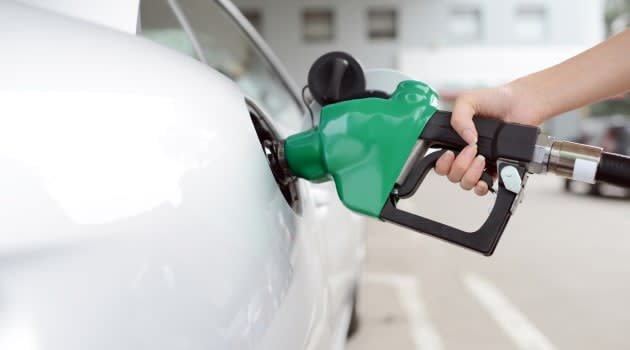
City driving has its own rhythm. It’s unpredictable, often slow, and full of small decisions that seem insignificant in the moment. A quick acceleration here, a sudden stop there, a few extra minutes idling at a signal—none of it feels like a big deal. But over time, these patterns quietly shape how much fuel your car consumes.
For a long time, I didn’t think city driving could be optimized. It felt like you were at the mercy of traffic lights, congestion, and road conditions. But that assumption changed once I started paying closer attention. It turns out that even in dense urban environments, small adjustments can make a noticeable difference.
The techniques below aren’t complicated. In fact, most of them are simple shifts in habit. But when applied consistently, they can significantly improve fuel efficiency in city conditions.
Mastering Gentle Acceleration
City roads demand frequent stops and starts. This makes acceleration one of the most important factors in fuel consumption.
It’s tempting to accelerate quickly when the light turns green, especially when traffic behind you is impatient. But rapid acceleration uses more fuel than gradual movement.
When I started easing into acceleration, I noticed not only better fuel efficiency but also a smoother driving experience.
Acceleration styles and their impact:
| Acceleration Type | Fuel Consumption | Traffic Flow Impact |
|---|---|---|
| Aggressive | High | Disruptive |
| Moderate | Medium | Balanced |
| Gentle | Low | Smooth |
The goal isn’t to drive slowly—it’s to accelerate efficiently.
Anticipating Traffic Signals
One of the biggest shifts in my driving came from learning to read traffic ahead. Instead of reacting at the last moment, I started anticipating changes.
If a traffic light ahead is red, there’s no need to maintain speed until the last second. Gradually slowing down allows the car to use less fuel and reduces the need for sudden braking.
Traffic anticipation effect:
| Driving Approach | Fuel Efficiency | Brake Usage |
| Reactive | Low | High |
| Semi-aware | Moderate | Moderate |
| Anticipative | High | Low |
This technique also reduces wear on brakes, which is an added bonus.
Minimizing Idle Time
City driving often involves waiting—at signals, in traffic jams, or during short stops. While it may not seem like much, idling consumes fuel without moving the car.
I used to leave the engine running without thinking about it. Now, I turn it off during longer waits.
Idle time impact:
| Idle Duration | Fuel Consumption | Efficiency Loss |
| Under 1 minute | Minimal | Low |
| 1–5 minutes | Moderate | Noticeable |
| 5+ minutes | High | Significant |
It’s a simple habit, but one that adds up over time—especially in busy urban areas.
Maintaining Proper Tire Pressure
City roads often mean uneven surfaces, potholes, and frequent braking—all of which affect tire condition. Underinflated tires increase resistance, making the engine work harder.
Regularly checking tire pressure became one of the easiest ways to improve efficiency.
Tire pressure vs performance:
| Tire Condition | Handling Quality | Fuel Efficiency |
| Correct pressure | Stable | Optimal |
| Slightly low | Less responsive | Reduced |
| Very low | Poor | Significantly reduced |
It takes only a few minutes, but the benefits are consistent.
Using the Right Gear at the Right Time
For manual drivers, gear selection plays a major role in fuel efficiency. Staying in lower gears longer than necessary increases engine load and fuel consumption.
Shifting to higher gears at the right time keeps the engine running efficiently.
Gear usage impact:
| Gear Behavior | Engine Load | Fuel Usage |
| Late shifting | High | High |
| Timely shifting | Balanced | Moderate |
| Early upshifting | Low | Lower |
Automatic cars handle this on their own, but understanding how it works can still help drivers adjust their behavior.
Reducing Short Trips
Short trips are surprisingly inefficient. When the engine is cold, it consumes more fuel. Frequent short drives prevent the engine from reaching optimal operating temperature.
Combining errands into a single trip made a noticeable difference for me.
Trip length vs efficiency:
| Trip Type | Engine State | Fuel Efficiency |
| Very short | Cold | Low |
| Medium | Warming up | Moderate |
| Longer | Optimal | High |
Planning ahead not only saves fuel but also reduces overall driving time.
Managing Air Conditioning Usage
In city driving, where speeds are lower, air conditioning can have a noticeable impact on fuel consumption. Unlike highway driving, there’s less airflow to assist cooling, so the system works harder.
Adjusting AC settings instead of running it at maximum made a difference.
AC usage in city conditions:
| Setting Level | Comfort Level | Fuel Impact |
| Maximum | High | High |
| Moderate | Balanced | Medium |
| Minimal | Basic | Low |
It’s about finding a comfortable middle ground rather than going to extremes.
Combining These Techniques in Daily Driving
Individually, these techniques might seem small. But city driving is all about accumulation. Dozens of small decisions happen during a single trip, and each one affects fuel consumption.
When these techniques are combined, the effect becomes much more noticeable.
Combined efficiency impact:
| Techniques Applied | Fuel Savings Level |
| 1–2 | Low |
| 3–5 | Moderate |
| All 7 | High |
The key is consistency. Applying these habits regularly is what leads to real improvement.
Common City Driving Mistakes
Even experienced drivers fall into habits that reduce fuel efficiency. Recognizing these patterns is the first step toward improvement.
Some common mistakes include:
- Accelerating quickly after every stop
- Ignoring tire maintenance
- Leaving the engine running unnecessarily
- Taking multiple short trips instead of combining them
- Driving without anticipating traffic flow
Avoiding these mistakes can often be just as effective as adopting new techniques.
Realistic Expectations
It’s important to be realistic. City driving will never be as fuel-efficient as highway driving due to constant stops and lower speeds. However, that doesn’t mean improvements aren’t possible.
Estimated savings:
| Technique Focus | Expected Improvement |
| Driving behavior | 5% – 15% |
| Vehicle maintenance | 3% – 7% |
| Combined approach | 10% – 20% |
These numbers may vary, but they highlight the potential of consistent effort.
A Shift in Driving Mindset
Perhaps the most important change isn’t mechanical—it’s mental.
City driving often feels rushed and reactive. But slowing down, planning ahead, and driving with awareness can transform the experience.
Fuel efficiency becomes less about restriction and more about control.
FAQs
- Why is city driving less fuel-efficient than highway driving?
City driving involves frequent stops, idling, and speed changes, all of which increase fuel consumption compared to steady highway driving. - Is it better to turn off the engine at traffic lights?
If the wait is longer than a minute, turning off the engine can save fuel. For very short stops, the difference is minimal. - How does tire pressure affect fuel efficiency in the city?
Underinflated tires increase resistance, making the engine work harder—especially noticeable in stop-and-go traffic. - Are these techniques useful for automatic cars?
Yes, most of these techniques apply to both manual and automatic vehicles, especially those related to driving behavior. - Does using air conditioning always increase fuel consumption?
Yes, but the impact varies. Using moderate settings instead of maximum can reduce the effect. - How long does it take to see results?
Some changes, like smoother acceleration and proper tire pressure, can show results almost immediately, while others build over time.
In the end, city driving doesn’t have to be inefficient. With the right approach, even the most crowded roads can become an opportunity to save fuel. It’s not about perfection—it’s about making better choices, one trip at a time.