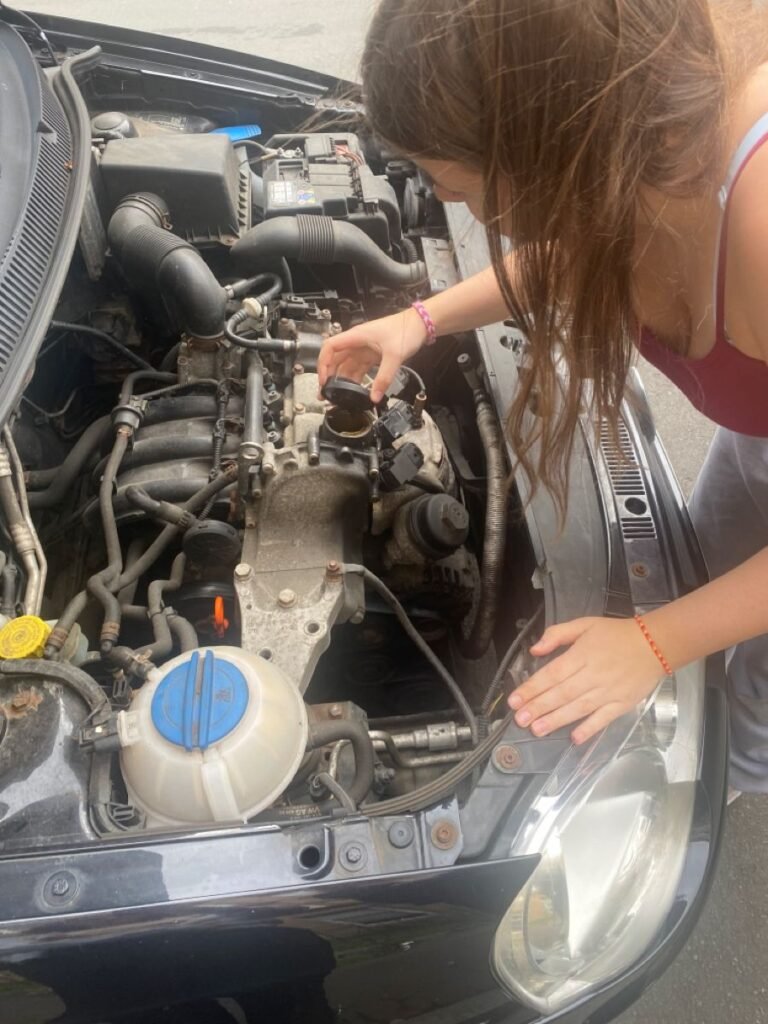
Fuel efficiency is often associated with driving habits—smooth acceleration, steady speeds, and avoiding unnecessary trips. But there’s another side to the story that many drivers overlook: maintenance. Even the most careful driver can end up wasting fuel if the vehicle itself isn’t in proper condition.
Think of a vehicle as a system where every component contributes to overall performance. When even one part is slightly off—whether it’s tire pressure, engine oil, or air intake—the engine compensates by working harder. And when the engine works harder, it burns more fuel.
This article takes a practical, experience-based look at eight maintenance tips that genuinely help reduce fuel consumption. These are not complicated or expensive fixes. In fact, most of them are routine checks that, when done consistently, can lead to noticeable savings over time.
- keep your tires properly inflated
Tire pressure plays a surprisingly large role in fuel efficiency. When tires are underinflated, they create more rolling resistance, which forces the engine to use extra energy just to keep the vehicle moving.
Even a small drop in pressure—say 5 to 10 PSI below the recommended level—can lead to measurable fuel loss.
tire pressure vs fuel efficiency table:
| Tire pressure condition | Rolling resistance | Fuel efficiency impact | Tire lifespan |
|---|---|---|---|
| Correct pressure | Low | Optimal | Maximum |
| Slightly low | Medium | -2% to -3% | Reduced |
| Very low | High | -5% to -8% | Severely reduced |
Practical tip: check tire pressure when the tires are cold, preferably in the morning. Heat from driving can give a false reading.
- replace clogged air filters
Your engine needs a proper mix of air and fuel to function efficiently. A clogged air filter restricts airflow, which disrupts this balance and forces the engine to consume more fuel.
This is especially important in dusty environments where filters can get dirty faster than expected.
air filter condition impact chart:
| Filter condition | Airflow level | Combustion efficiency | Fuel consumption |
|---|---|---|---|
| Clean | High | Optimal | Normal |
| Moderately dirty | Medium | Slightly reduced | +3% to +5% |
| Clogged | Low | Poor | +5% to +10% |
Replacing an air filter is inexpensive and often takes just a few minutes, yet it can restore lost efficiency almost immediately.
- use the right engine oil
Engine oil reduces friction between moving parts. When the wrong type of oil is used—or when oil becomes too old—it thickens and loses its effectiveness. This increases internal resistance and forces the engine to burn more fuel.
viscosity vs fuel efficiency table:
| Oil condition | Engine friction | Fuel efficiency | Engine wear |
|---|---|---|---|
| Recommended oil | Low | Optimal | Minimal |
| Thick/old oil | High | -2% to -4% | Increased |
| Low oil level | Very high | -5% or more | Severe risk |
Always follow the manufacturer’s recommended oil grade. It’s not just about lubrication—it directly affects fuel consumption.
- maintain a healthy fuel system
Over time, fuel injectors can become clogged with deposits. When this happens, fuel is not sprayed efficiently into the engine, leading to incomplete combustion.
A poorly maintained fuel system wastes fuel without necessarily showing obvious symptoms at first.
fuel system performance comparison:
| Injector condition | Fuel spray quality | Combustion efficiency | Fuel usage |
|---|---|---|---|
| Clean | Fine mist | High | Normal |
| Partially clogged | Uneven spray | Medium | +4% to +6% |
| Severely clogged | Poor spray | Low | +8% to +12% |
Periodic use of fuel system cleaners or professional servicing can help maintain efficiency.
- check and replace spark plugs when needed
Spark plugs ignite the air-fuel mixture in the engine. If they are worn out or dirty, ignition becomes inconsistent, which leads to wasted fuel.
Even a single faulty spark plug can reduce engine efficiency noticeably.
spark plug condition table:
| Spark plug condition | Ignition quality | Engine performance | Fuel efficiency |
|---|---|---|---|
| New/clean | Strong | Smooth | Optimal |
| Worn | Weak | Rough | -3% to -5% |
| Faulty | Misfiring | Poor | -10% or more |
Regular inspection ensures that your engine runs smoothly and efficiently.
- keep wheels properly aligned
Wheel alignment is not just about steering comfort—it also affects how efficiently your vehicle moves. Misaligned wheels drag against the road instead of rolling smoothly.
alignment vs fuel impact chart:
| Alignment condition | Rolling efficiency | Fuel consumption | Tire wear |
|---|---|---|---|
| Proper alignment | Smooth | Normal | Even |
| Slight misalignment | Uneven | +2% to +4% | Uneven |
| Severe misalignment | Dragging | +5% to +10% | Rapid wear |
If your vehicle pulls to one side or the steering feels off-center, it may be time for an alignment check.
- ensure proper brake maintenance
Dragging brakes—when brake pads don’t fully release—can create constant resistance. This is similar to driving with the brakes slightly applied all the time.
Many drivers don’t notice this issue immediately, but it can quietly reduce fuel efficiency.
brake condition impact table:
| Brake condition | Rolling resistance | Fuel efficiency | Safety |
|---|---|---|---|
| Normal | Low | Optimal | High |
| Slight drag | Medium | -3% to -6% | Reduced |
| Severe drag | High | -10% or more | Dangerous |
Regular brake inspections can prevent both fuel loss and safety risks.
- monitor battery and electrical system
Modern vehicles rely heavily on electrical systems. A weak battery or failing alternator can increase the load on the engine, indirectly affecting fuel consumption.
While the effect may not be as obvious as tire pressure or air filters, it still contributes to overall efficiency.
electrical system impact chart:
| System condition | Engine load | Fuel efficiency | Reliability |
|---|---|---|---|
| Healthy | Normal | Optimal | High |
| Weak battery | Increased | -1% to -3% | Moderate |
| Faulty alternator | High | -3% to -5% | Low |
Ensuring your battery and charging system are in good condition helps maintain balanced engine performance.
combined maintenance savings overview
When these maintenance practices are applied together, the cumulative effect can be significant. Many small inefficiencies add up, but so do many small improvements.
maintenance factor summary table:
| Maintenance area | Potential fuel savings |
|---|---|
| Tire pressure | 2%–5% |
| Air filter | 5%–10% |
| Engine oil | 2%–4% |
| Fuel system | 4%–12% |
| Spark plugs | 3%–10% |
| Wheel alignment | 2%–10% |
| Brakes | 3%–10% |
| Electrical system | 1%–5% |
Estimated total improvement: up to 25% or more when combined properly
real-world perspective
In everyday driving, fuel savings don’t usually come from a single big change. Instead, they come from a collection of small, consistent actions. Maintenance is one of the most reliable ways to ensure your vehicle stays efficient over time.
Unlike driving habits, which can vary from day to day, maintenance provides a stable foundation for fuel efficiency. Once a vehicle is in good condition, every trip becomes more economical by default.
It’s also worth noting that proper maintenance doesn’t just save fuel—it extends the life of your vehicle, reduces breakdown risks, and improves overall driving comfort.
frequently asked questions (faqs)
- how often should i perform basic maintenance for fuel efficiency?
Basic checks like tire pressure should be done monthly, while oil changes and filter replacements depend on mileage, usually every 5,000 to 10,000 kilometers. - can poor maintenance really increase fuel consumption significantly?
Yes, neglecting multiple maintenance areas can increase fuel usage by 20% or more over time. - is it necessary to use expensive engine oil for better fuel efficiency?
Not necessarily. The most important factor is using the correct oil grade recommended by the manufacturer, not the price. - how do i know if my fuel injectors are clogged?
Signs include rough idling, reduced acceleration, and lower fuel efficiency. However, mild clogging may not show obvious symptoms. - does wheel alignment affect fuel even at low speeds?
Yes, misalignment increases resistance at all speeds, although the effect is more noticeable at higher speeds. - can a weak battery really impact fuel consumption?
Indirectly, yes. A weak battery increases the load on the alternator, which can slightly reduce overall efficiency.
By focusing on these eight simple maintenance tips, you can make a meaningful difference in how much fuel your vehicle consumes. Over time, the savings become noticeable—not just at the fuel pump, but in the overall performance and reliability of your vehicle.