Driving in Karachi these days hits different when petrol prices keep jumping and every trip feels like a calculation. Shahrah-e-Faisal at rush hour, Korangi Road crawl, or a quick run to Clifton—traffic, heat, sudden stops, and that AC you can’t switch off. I’ve driven these streets long enough, from an old Mehran that barely made it to a more modern ride, and talked to enough folks at pumps or in WhatsApp groups to know what actually moves the needle on fuel economy. Not the old tales like “windows down always beats AC” or “idling saves the starter”—those fall apart under real scrutiny. What works comes from places like the U.S. Department of Energy, EPA, AAA studies, and tests that track everyday drivers.
Experts agree: driving habits alone can swing fuel use by 10-40% depending on conditions. Aggressive starts, speeding, hard braking, unnecessary idling—these burn petrol fast. Smooth, thoughtful driving saves instantly and adds up over a tank. In our stop-go chaos and 40°C+ heat, the gains feel bigger because every liter counts more.
Here are 11 ultimate fuel-saving driving habits backed by experts. These draw from DOE reports, EPA data, AAA findings, MIT analyses, and real-world tests on similar vehicles. They’re practical for Pakistani roads—city jams, highways, potholes, heat—and deliver results you can see within days if you track your fill-ups.
Accelerate gently and progressively
The hardest habit to break for many is jumping off the line when the light turns green or flooring it to merge. Rapid acceleration forces the engine to gulp fuel—injectors open wide, RPM spikes, efficiency drops.
DOE and EPA studies show aggressive acceleration cuts mileage 10-40% in city driving and 15-30% on highways. MIT research on driving volatility confirmed aggressive patterns increase consumption sharply. Instead, ease onto the pedal like you’re balancing a tray of chai—take 4-6 seconds to reach 40-50 km/h from a stop.
In Karachi traffic, where restarts happen constantly, this keeps the engine in its efficient range longer. No racing the next car. My averages climbed 1-2 km/l just from lighter throttle. The car feels calmer, less strain, and you arrive less stressed.
Maintain steady speeds whenever possible
Speed fluctuations—speed up, slow down, repeat—waste fuel rebuilding momentum each time. Steady cruising lets the engine run at optimal load.
DOE data shows steady speeds in the 50-80 km/h range hit peak efficiency for most cars. Above 80-90 km/h, aerodynamic drag rises sharply—every 10 km/h over costs 10-20% more fuel. AAA and Consumer Reports tests back this: dropping from 100 to 80-90 km/h on clear stretches saves 7-14%.
On motorways or quieter city roads, use cruise control if available—holds speed without constant foot adjustments. In heavy flow, anticipate and hold steady where you can. I dropped highway averages from erratic 90-110 bursts to consistent 80-90—economy up noticeably without feeling slow.
Anticipate traffic and coast to stops
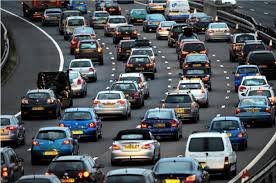
Braking hard then accelerating again burns extra fuel. Look ahead—10-15 seconds or 100-200 meters—and lift off early when slowdowns appear.
DOE and Energy Saving Trust recommend coasting in gear to use engine braking and (in some cars) cut fuel injection during deceleration. No throttle = zero fuel use while slowing. Hard braking wastes kinetic energy you paid for.
In our signals and jams, this habit shines. See red ahead? Ease off, coast, light brake only if needed. Regenerative braking in hybrids maximizes this, but even regular cars benefit. I started scanning farther—less pedal work, smoother flow, 5-10% better in city runs.
Turn off the engine during stops longer than 20-30 seconds
Idling burns 0.2-0.5 liters per hour depending on engine and AC—pure waste. Modern engines restart efficiently; startup fuel use is tiny compared to prolonged idle.
DOE, EPA, and AAA say shut off for stops over 10-30 seconds. Auto start-stop systems do this automatically. In long signals or bad jams (Numaish or airport road), engine off saves instantly.
In our heat with AC on, idling hurts more—compressor runs constantly. I do this at most stops >30 seconds—saved half a liter per commute day. No starter damage in normal use; batteries and systems handle it.
Keep tires properly inflated—check monthly
Underinflation increases rolling resistance—tires deform more, engine works harder. DOE estimates every 1 psi low costs 0.2-0.5% economy; 5-10 psi drop = 2-5% loss.
Heat and rough roads here cause faster pressure loss. Check cold (morning) against door sticker (usually 32-35 psi). Inflate at reliable pumps.
AAA and tire studies show correct pressure improves mileage 0.6-3%. Steering feels lighter, car rolls easier. Weekly checks in summer gained me half a km/l consistently.
Remove unnecessary weight from the vehicle
Extra kilos—tools, water bottles, old bags—make the engine work harder. DOE says every 45 kg reduces economy about 1-2%.
Clear trunk and cabin regularly. Roof racks (even empty) add drag—remove when not needed. In city, less weight means easier acceleration with less throttle.
I ditched 30-40 kg junk—noticeable on starts and slight inclines. Free savings.
Use air conditioning smartly—recirc mode and moderate settings
In extreme heat, AC is essential but loads the engine. At low speeds (<50-60 km/h), windows down slightly better; above, drag from open windows costs more than compressor.
DOE and tests show recirc mode reuses cool air—compressor works less. Set 24-26°C, medium fan. Vent hot air first by cracking windows briefly.
In traffic, recirc + moderate saved 5-10% vs. max cold. Park in shade, use sunshades—cabin cooler, less initial load.
Avoid high speeds—cap at 80-90 km/h on open roads
Drag rises exponentially above 80-90 km/h. DOE charts show 10-20% drop per 10 km/h over.
On motorways, cruise at 80-90 where safe—biggest single gain. I limited to 90—economy up 10-15% on longer runs without feeling slow.
Plan routes and combine trips to minimize cold starts
Cold engines burn more fuel—inefficient until warm. Short trips worst.
Group errands—one outing instead of three. Use apps for live traffic—avoid worst jams. Fewer starts = big savings.
In peak hours, side routes or timing shifts cut idling. Planned trips saved noticeably over weeks.
Shift early and stay in higher gears (manuals)
Shift at lower RPM (2000-2500) to higher gears—engine runs lower, uses less fuel.
Light throttle encourages upshifts in autos. Avoid lugging—keep RPM reasonable.
Kept shifts early—city economy improved.
Use cruise control on highways
Maintains steady speed without foot fluctuations—efficient.
DOE recommends for constant speeds. Less throttle hunting.
On clear stretches, cruise at limit—smoother, better mileage.
Minimize idling overall—beyond signals
Warm-up myths persist—modern engines warm faster driving gently. No need to idle 2-3 minutes.
DOE: idle under 30 seconds. Turn off at drive-thrus, pickups.
Cut unnecessary idling—extra savings.
These 11 habits—gentle accel, steady speed, anticipate/coast, engine off stops, tire pressure, lighten load, smart AC, cap speeds, plan/combine, early shifts, cruise—back expert sources like DOE, EPA, AAA, MIT. In Karachi conditions, they deliver 10-30% better economy combined.
Track: fill full, note km, repeat. Start with 3-4—gentle throttle, anticipate, engine off, tires. Drive smoother, safer, cheaper. Petrol prices won’t drop soon; these habits stretch every rupee.