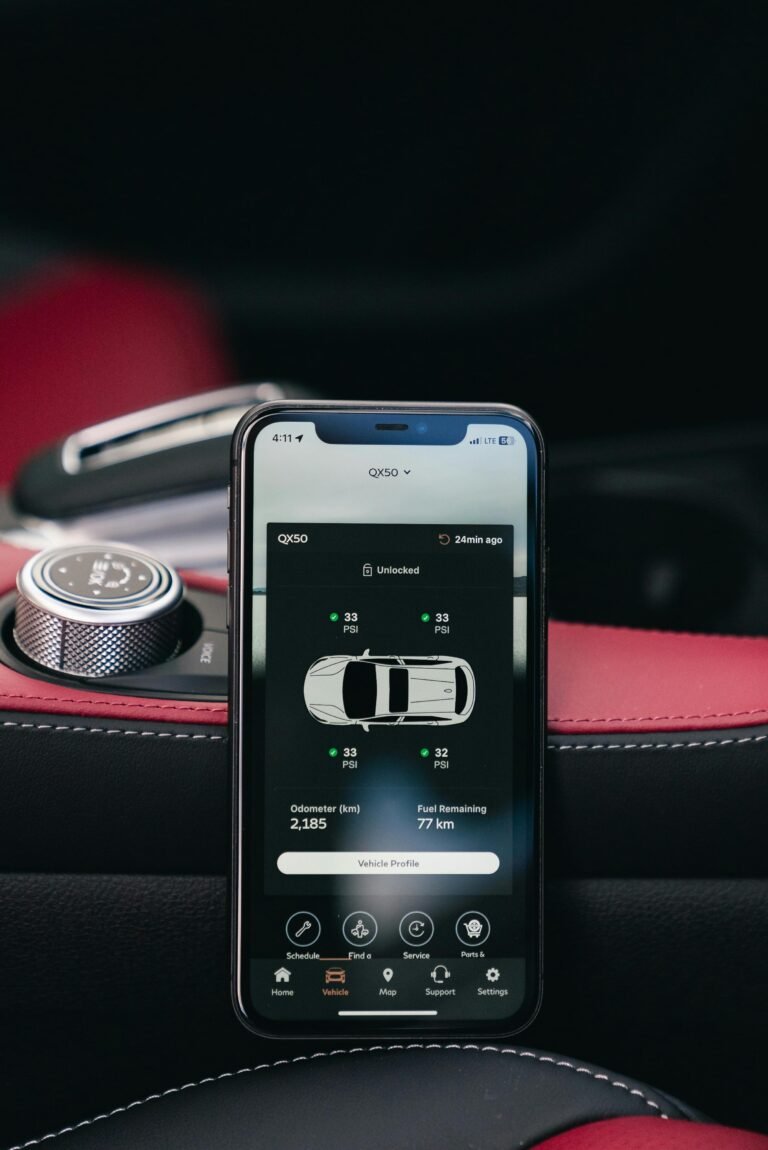
Fuel prices have always had a way of creeping up at the worst possible time. Whether you’re commuting daily, running deliveries, or planning long-distance travel, fuel costs can quietly eat into your budget. In 2026, however, one thing has changed significantly: drivers now have access to smarter, data-driven apps that genuinely help reduce fuel expenses instead of just tracking them.
This article explores seven of the most effective fuel-saving apps that actually work today—not based on hype, but on real functionality, features, and practical use. Along the way, you’ll also find tables, comparisons, and insights that go beyond surface-level descriptions.
Let’s begin with a simple truth: saving fuel is no longer just about driving slowly. It’s about using data, planning smarter routes, tracking habits, and leveraging real-time information.
why fuel-saving apps matter more in 2026
Fuel-saving apps have evolved from simple logbooks into intelligent driving assistants. Modern apps combine:
- GPS navigation
- Real-time fuel price updates
- Driving behavior analytics
- Cost tracking and predictions
For example, apps like Fuelio can calculate fuel consumption between fill-ups and provide detailed statistics and charts on usage, helping drivers understand where money is going.
Meanwhile, navigation-based apps like FUELabc go a step further by recommending the most fuel-efficient routes and even suggesting optimal speeds for better mileage.
The combination of tracking + optimization is what makes modern apps truly effective.
quick comparison chart of top fuel-saving apps
| App Name | Core Feature | Best For | Real-Time Prices | Route Optimization | Expense Tracking |
|---|---|---|---|---|---|
| Fuelio | Fuel & cost tracking | Daily drivers | Yes | Limited | Yes |
| FUELabc | Smart route planning | Long trips | Yes | Yes | Yes |
| GasBuddy | Cheap fuel finder | Budget users | Yes | No | Partial |
| Waze | Traffic + fuel prices | Urban driving | Yes | Yes | No |
| Fuel Tracker | Mileage logs | Personal tracking | No | No | Yes |
| Motolog | Fleet & business tracking | Professionals | No | No | Yes |
| MPG Calculator | Fuel efficiency analysis | Data-focused users | No | No | Yes |
- Fuelio – the data-driven fuel tracker
Fuelio is one of the most reliable fuel-saving apps because it focuses on detailed tracking and analytics.
Instead of guessing your mileage, Fuelio calculates exact consumption based on fill-up data. It also tracks:
- Fuel costs
- Distance traveled
- Maintenance expenses
- Fuel price trends
One of its strongest features is visualization. The app provides charts showing monthly costs, fuel economy, and consumption trends, helping users identify patterns.
Why it works:
When you see your actual fuel usage broken down into numbers and graphs, you naturally adjust your driving habits.
fuel consumption trend example
| Month | Fuel Cost | Distance (km) | Cost per km |
|---|---|---|---|
| Jan | $120 | 900 | 0.13 |
| Feb | $150 | 950 | 0.16 |
| Mar | $130 | 1000 | 0.13 |
Insight: February’s increase suggests inefficient driving or higher fuel prices.
- FUELabc – smart route optimization
FUELabc focuses on something many apps ignore: route efficiency.
Instead of just finding the fastest route, it calculates the most fuel-efficient one based on:
- Vehicle type
- Engine capacity
- Traffic conditions
It also includes a trip cost calculator and speed vs mileage insights, helping users drive at optimal speeds for fuel savings.
Why it works:
Even a slightly longer route can sometimes consume less fuel if traffic is smoother.
route efficiency comparison
| Route Type | Distance | Traffic Level | Fuel Used |
|---|---|---|---|
| Short Route | 10 km | Heavy | 1.2 L |
| Optimized Route | 12 km | Light | 0.9 L |
Conclusion: Longer route saved 25% fuel.
- GasBuddy – best for finding cheap fuel
GasBuddy remains one of the most widely used apps for locating the cheapest fuel nearby.
It works through crowdsourced data, where users report fuel prices at stations, giving near real-time updates.
In 2026, it also offers:
- Discounts via payment card
- Price trend insights
- Trip cost estimation
Why it works:
Fuel price differences between stations can be significant—even within a few kilometers.
price variation example
| Station | Price per Liter |
|---|---|
| Station A | $1.25 |
| Station B | $1.32 |
| Station C | $1.21 |
Choosing the right station saves money instantly without changing driving habits.
- Waze – navigation meets fuel awareness
Waze is primarily known for traffic navigation, but its fuel-saving features are often overlooked.
It includes:
- Real-time traffic updates
- Route optimization
- Fuel price display along routes
Why it works:
Avoiding traffic congestion reduces idling time, one of the biggest causes of wasted fuel.
traffic vs fuel consumption
| Driving Condition | Fuel Efficiency |
|---|---|
| Smooth highway | High |
| Stop-and-go traffic | Low |
| Idling | Very low |
- Fuel Tracker – simple and effective
Fuel Tracker is ideal for users who want a straightforward way to monitor fuel usage.
It allows users to log:
- Fuel quantity
- Price
- Odometer readings
The app then calculates mileage and generates statistics automatically.
Why it works:
Simplicity encourages consistency, and consistent tracking leads to better awareness.
- Motolog – best for business and fleet users
Motolog is designed for professionals managing multiple vehicles.
It includes:
- Trip logs
- Fuel economy calculations
- Maintenance tracking
- Exportable reports (PDF, CSV)
Why it works:
Fleet optimization can reduce operational fuel costs significantly.
fleet efficiency chart
| Vehicle | Monthly Fuel Cost | Efficiency |
|---|---|---|
| Car A | $200 | 14 km/L |
| Car B | $260 | 10 km/L |
Insight: Car B needs maintenance or replacement.
- MPG Calculator – for analytical drivers
Gas Mileage Calculator MPG Log focuses heavily on fuel efficiency calculations.
It provides:
- Fuel economy tracking
- Cost per trip analysis
- Mileage logs
Why it works:
It helps users identify inefficiencies quickly and adjust driving behavior.
how these apps actually save fuel
Fuel-saving apps work through three main mechanisms:
- Awareness
When drivers track fuel usage, they become more conscious of waste. - Optimization
Apps suggest better routes, speeds, and fueling options. - Behavior change
Over time, users adopt smoother driving habits.
fuel-saving impact comparison
| Method | Potential Savings |
|---|---|
| Driving smoother | 10–20% |
| Choosing cheaper fuel | 5–15% |
| Route optimization | 10–25% |
| Combined app usage | 20–40% |
real-world user insight
From online discussions, many drivers emphasize consistency over perfection:
“You need to be diligent with logging everything.”
This highlights an important truth: even the best app won’t help if it’s not used regularly.
how to choose the right app
Not every app fits every driver. Here’s a quick guide:
- Daily commuters → Fuelio or Waze
- Long-distance drivers → FUELabc
- Budget-focused users → GasBuddy
- Business/fleet owners → Motolog
- Data enthusiasts → MPG Calculator
final thoughts
Fuel-saving apps in 2026 are no longer optional tools—they’re practical financial assistants. Whether you want to cut costs, improve efficiency, or simply understand your driving habits better, the right app can make a measurable difference.
The key is not choosing the “perfect” app, but choosing one you’ll actually use consistently.
frequently asked questions
- do fuel-saving apps really reduce fuel costs?
Yes, especially when used consistently. They help reduce waste, find cheaper fuel, and improve driving habits. - which app is best for beginners?
Fuel Tracker is ideal for beginners due to its simplicity and easy logging system. - can these apps work in all countries?
Most apps like Fuelio work globally, but price-based apps may depend on regional data availability. - do fuel apps drain phone battery?
Apps with GPS (like Waze) use more battery, but most are optimized for minimal impact. - is it safe to share location data with these apps?
Most apps use location only for navigation or fuel price updates, but always check privacy settings. - what is the biggest factor in saving fuel?
Driving behavior—smooth acceleration, steady speed, and avoiding traffic—has the greatest impact.