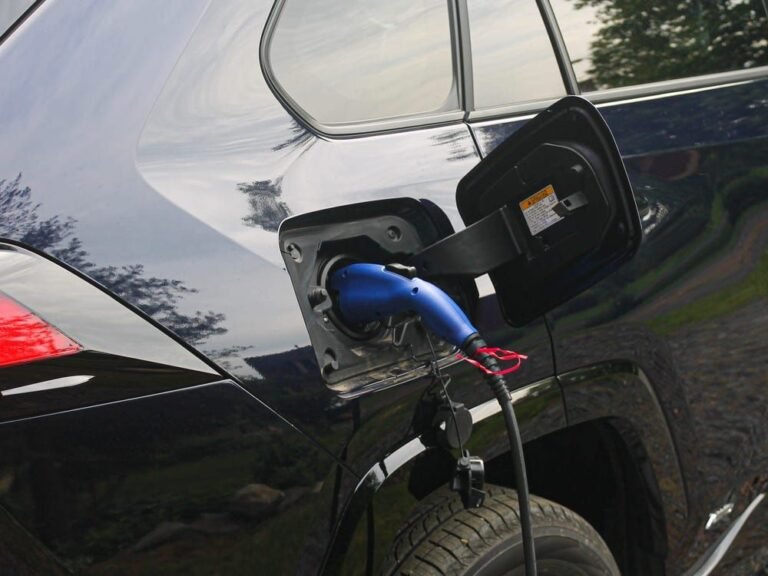
Driving a large vehicle has its own kind of satisfaction. The higher seating position, the solid road presence, the ability to carry more people and cargo—it all feels reassuring. But that comfort comes with a trade-off, and it usually shows up at the fuel pump.
For a long time, I assumed that higher fuel consumption was simply part of owning an SUV or a big vehicle. Something you accept and move on from. But over time, I started noticing patterns—small habits that made things worse, and small adjustments that made things better.
What surprised me most wasn’t that big vehicles consume more fuel. That’s expected. What surprised me was how much control I actually had over that consumption.
These nine fuel-saving tips are not about turning an SUV into a compact car. They’re about making the most of what you already have—reducing waste, improving efficiency, and driving smarter without sacrificing comfort.
Understanding Why Bigger Vehicles Use More Fuel
Before getting into the tips, it helps to understand why SUVs and large vehicles consume more fuel in the first place.
They are heavier. They have larger engines. They create more air resistance. And they often carry more load.
Basic comparison:
| Vehicle Type | Average Weight | Aerodynamic Drag | Fuel Consumption |
|---|---|---|---|
| Small car | Low | Low | Low |
| Sedan | Moderate | Moderate | Moderate |
| SUV/Big vehicle | High | High | High |
The goal isn’t to eliminate these factors—it’s to manage them more efficiently.
Accelerate With Patience, Not Power
Large engines respond quickly when you press the accelerator, which can be tempting. But that quick response comes at the cost of higher fuel usage.
In heavier vehicles, aggressive acceleration consumes even more fuel than it would in smaller cars.
Acceleration comparison:
| Acceleration Style | Fuel Consumption | Engine Strain |
| Aggressive | Very high | High |
| Moderate | Medium | Balanced |
| Gradual | Lower | Efficient |
Easing into acceleration reduces the load on the engine and improves overall efficiency.
Maintain a Steady Speed on Open Roads
Because SUVs are heavier and less aerodynamic, maintaining a steady speed is even more important.
Frequent speed changes require more energy to move the vehicle’s mass.
Speed stability effect:
| Driving Pattern | Fuel Efficiency |
| Constant speed | High |
| Minor fluctuations | Moderate |
| Frequent changes | Low |
Using cruise control where possible can help maintain consistency.
Reduce Unnecessary Weight
This is one of the simplest and most effective changes.
Big vehicles often become storage spaces—tools, bags, equipment, and items that aren’t needed daily.
Extra weight forces the engine to work harder.
Weight impact:
| Extra Load | Fuel Usage Increase |
| 0–20 kg | Minimal |
| 20–50 kg | Moderate |
| 50+ kg | Noticeable |
Clearing out unnecessary items can make a measurable difference over time.
Pay Attention to Tire Pressure
SUV tires are larger and more expensive, but they’re also more sensitive to pressure changes.
Underinflated tires increase rolling resistance, which is especially noticeable in heavier vehicles.
Tire condition effect:
| Tire Pressure Level | Rolling Resistance | Fuel Efficiency |
| Optimal | Low | Best |
| Slightly low | Moderate | Reduced |
| Very low | High | Poor |
Regular checks ensure the vehicle moves as efficiently as possible.
Use Four-Wheel Drive Only When Necessary
Many SUVs come with four-wheel drive (4WD) or all-wheel drive (AWD). While these systems improve traction, they also increase fuel consumption.
Using 4WD when it’s not needed adds unnecessary load to the drivetrain.
Drive mode comparison:
| Mode | Fuel Consumption | Use Case |
| Two-wheel drive | Lower | Normal conditions |
| Four-wheel drive | Higher | Rough/slippery roads |
Switching back to two-wheel drive when conditions allow can save fuel.
Minimize Aerodynamic Drag
Larger vehicles already face higher air resistance. Adding roof racks, carriers, or leaving windows open at high speeds increases drag further.
Drag impact:
| Condition | Air Resistance | Fuel Usage |
| Clean exterior | Lower | Lower |
| Roof rack installed | Higher | Increased |
| Windows open (high speed) | Higher | Increased |
Removing unused accessories and keeping windows closed at higher speeds helps maintain efficiency.
Avoid Excessive Idling
Idle fuel consumption is higher in large vehicles because of their bigger engines.
Letting an SUV idle for extended periods wastes more fuel compared to smaller cars.
Idle impact:
| Idle Time | Fuel Waste (SUV) |
| 5 minutes | Moderate |
| 15 minutes | High |
| 30+ minutes | Very high |
Turning off the engine during longer stops can save a surprising amount of fuel.
Plan Trips to Reduce Stop-and-Go Driving
Stop-and-go traffic is particularly inefficient for large vehicles. Each stop requires more energy to get moving again.
Planning routes that avoid heavy congestion can improve fuel efficiency.
Route type impact:
| Route Type | Fuel Efficiency |
| Free-flowing | High |
| Moderate traffic | Moderate |
| Stop-and-go | Low |
Even small adjustments in route planning can make a difference.
Keep Up With Regular Maintenance
Larger engines require proper maintenance to run efficiently.
Dirty air filters, worn spark plugs, and old engine oil can reduce performance and increase fuel consumption.
Maintenance impact:
| Engine Condition | Efficiency |
| Well-maintained | High |
| Average | Moderate |
| Poor | Low |
Routine servicing ensures the vehicle operates at its best.
How These Tips Work Together
Each of these tips contributes to fuel efficiency in its own way, but their combined effect is what truly matters.
Combined efficiency:
| Number of Tips Applied | Fuel Savings Level |
| 1–3 | Slight |
| 4–6 | Moderate |
| 7–9 | Significant |
The more consistently these habits are applied, the greater the overall benefit.
Common Mistakes SUV Drivers Make
Some habits unintentionally increase fuel consumption:
- Driving aggressively due to engine power
- Leaving 4WD engaged unnecessarily
- Carrying excess weight at all times
- Ignoring tire pressure changes
- Using roof racks even when not needed
Avoiding these mistakes can lead to immediate improvements.
Realistic Fuel Savings Expectations
While SUVs will always consume more fuel than smaller cars, efficiency improvements are still achievable.
Estimated savings:
| Adjustment Type | Expected Improvement |
| Driving habits | 5% – 15% |
| Weight reduction | 2% – 6% |
| Tire maintenance | 2% – 5% |
| Combined approach | 10% – 20% |
These numbers may vary, but they show that meaningful savings are possible.
A Different Way to Look at Driving Big Vehicles
Owning a large vehicle doesn’t mean accepting high fuel costs without question. It simply means being more intentional about how you drive and maintain it.
Small adjustments—made consistently—can reshape how efficiently your vehicle performs.
FAQs
- Are SUVs always less fuel-efficient than smaller cars?
Yes, due to their weight and size, but proper driving habits can significantly reduce the gap. - Does using 4WD all the time harm fuel efficiency?
Yes, it increases fuel consumption and should only be used when necessary. - How much does tire pressure affect SUVs?
Quite a lot. Due to their weight, underinflated tires can noticeably increase fuel usage. - Is idling worse for big vehicles?
Yes, larger engines consume more fuel while idling compared to smaller ones. - Can removing roof racks really make a difference?
Yes, especially at higher speeds where aerodynamic drag plays a bigger role. - How quickly can I see improvements?
Some changes, like smoother driving and proper tire pressure, can show results within a few drives.
In the end, driving a big vehicle efficiently isn’t about limiting its capabilities. It’s about using them wisely. With the right habits, even the largest SUVs can become more economical—one trip at a time.