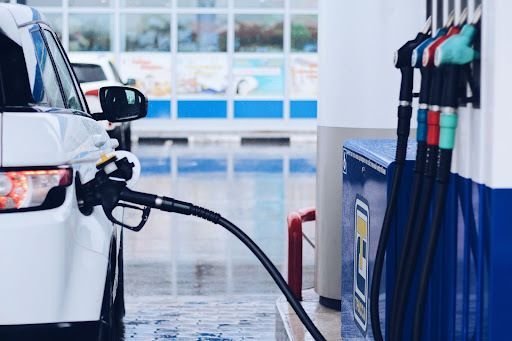
Fuel efficiency has always mattered, but in 2026 it has taken on a new level of importance. With evolving vehicle technology, fluctuating fuel prices, and growing awareness of environmental impact, drivers are paying closer attention to how every kilometer is powered. What’s interesting is that while cars have become smarter, the most effective ways to save fuel are still rooted in simple, practical habits—now enhanced by modern tools and awareness.
The difference today is that drivers have more control than ever before. Between better vehicle systems, smarter navigation, and improved understanding of driving behavior, saving fuel is no longer guesswork. It’s something you can measure, refine, and improve daily.
This article explores ten essential fuel-saving tricks tailored for vehicles in 2026. These techniques combine timeless driving wisdom with modern insights, supported by tables, comparisons, and real-world scenarios to show how they actually work.
understanding fuel efficiency in modern vehicles
Vehicles in 2026 are more advanced, but they’re also more sensitive to driving habits. Sensors, onboard computers, and efficiency-focused engines mean that small changes in behavior can produce measurable results.
table: factors affecting fuel efficiency in 2026 vehicles
| Factor | Impact on Fuel Usage |
|---|---|
| Driving behavior | very high |
| Vehicle maintenance | high |
| Tire condition | moderate |
| Traffic and route selection | high |
| Vehicle load and aerodynamics | moderate |
Even with advanced systems, inefficient habits can override technological advantages.
- use adaptive cruise control wisely
Modern vehicles often come with adaptive cruise control, which adjusts speed automatically based on traffic conditions.
why it works
This system maintains consistent speed and reduces unnecessary acceleration and braking.
comparison table
| Driving Mode | Fuel Efficiency |
|---|---|
| Manual driving | variable |
| Adaptive cruise control | improved |
practical tip
Use it on highways and long stretches where traffic flow is steady.
- monitor real-time fuel data
Most 2026 vehicles display real-time fuel consumption on the dashboard. This feature is more powerful than it seems.
how it helps
Seeing how your actions affect fuel usage encourages better driving habits.
example observation
| Driving Action | Fuel Display Reaction |
|---|---|
| Sudden acceleration | spike in usage |
| Steady speed | stable low usage |
awareness leads to better decisions instantly.
- keep tires at optimal pressure
Even with modern tire monitoring systems, drivers often ignore warnings or delays in maintenance.
efficiency chart
| Tire Condition | Fuel Efficiency |
|---|---|
| Proper pressure | optimal |
| Slightly low | -2% |
| Very low | -5% or more |
quick tip
Check tire pressure regularly instead of relying only on alerts.
- minimize aerodynamic drag
Aerodynamics play a bigger role at higher speeds, especially on highways.
common causes of drag
- roof racks
- open windows at high speed
- poorly secured cargo
drag impact table
| Condition | Fuel Impact |
|---|---|
| Clean airflow | optimal |
| Roof load | +5–10% |
| Open windows (fast) | +drag |
removing unnecessary external items improves efficiency immediately.
- avoid aggressive acceleration
Even with advanced engines, aggressive acceleration remains one of the biggest fuel wasters.
comparison chart
| Acceleration Style | Fuel Usage |
|---|---|
| Aggressive | high |
| Smooth | low |
modern vehicles respond quickly, but that responsiveness can lead to overuse.
- reduce idle time using auto start-stop
Many vehicles now include automatic start-stop systems that turn off the engine when stationary.
urban driving benefit
| Traffic Condition | Fuel Savings |
|---|---|
| Heavy traffic | 8–15% |
| Moderate traffic | 5–10% |
if your car has this feature, use it consistently.
- maintain your vehicle proactively
Advanced vehicles still require regular maintenance to perform efficiently.
key maintenance areas
- engine oil
- air filters
- fuel system
- battery health
maintenance impact
| Condition | Fuel Efficiency |
|---|---|
| Well maintained | optimal |
| Neglected | -10–15% |
routine care prevents gradual efficiency loss.
- plan routes using smart navigation
Navigation systems in 2026 offer real-time traffic updates and route optimization.
benefits
- avoids congestion
- reduces stop-and-go driving
- shortens travel time
route comparison table
| Route Type | Fuel Efficiency |
|---|---|
| Congested route | low |
| Optimized route | higher |
sometimes the fastest route is not the most fuel-efficient—smart navigation helps balance both.
- control vehicle weight and load
Even modern engines are affected by unnecessary weight.
weight impact chart
| Extra Load | Fuel Impact |
|---|---|
| 50 kg | +2% |
| 100 kg | +4% |
| 200 kg | +8% |
simple habit
Keep only essential items in your vehicle.
- drive within the optimal efficiency range
Every vehicle has a speed range where fuel efficiency peaks.
speed efficiency table
| Speed Range | Efficiency |
|---|---|
| 40–60 km/h | moderate |
| 60–90 km/h | optimal |
| 100+ km/h | reduced |
staying within this range reduces fuel consumption significantly.
combined impact of these tricks
When applied together, these techniques create a compounding effect.
combined savings table
| Number of Tricks Used | Estimated Savings |
|---|---|
| 3–4 tricks | 8–12% |
| 5–7 tricks | 12–20% |
| All 10 tricks | 20–35% |
real-world scenario
Consider a driver covering 22,000 km annually.
baseline calculation
| Factor | Value |
|---|---|
| Fuel economy | 13 km/L |
| Fuel used | 1,692 L |
with 20% improvement
| Factor | Value |
|---|---|
| Fuel used | 1,354 L |
| Fuel saved | 338 L |
these numbers highlight how small changes lead to substantial savings.
daily application checklist
- accelerate smoothly
- maintain steady speed
- monitor fuel usage
- keep tires properly inflated
- avoid unnecessary weight
- use smart navigation
- reduce idle time
consistency is more important than perfection.
how technology enhances these tricks
Vehicles in 2026 make it easier to apply these habits:
- real-time feedback systems
- adaptive cruise control
- automatic engine management
- advanced navigation tools
these features don’t replace good driving—they support it.
long-term benefits
Beyond fuel savings, these tricks also provide:
- improved engine lifespan
- lower maintenance costs
- smoother driving experience
- reduced environmental impact
over time, these benefits add up significantly.
common misconceptions
many drivers believe:
modern cars don’t need fuel-saving habits
in reality, habits still play the biggest role.
fuel savings require expensive upgrades
most savings come from behavior, not cost.
only long trips matter
daily driving patterns have a greater impact.
frequently asked questions
- do these tricks work with hybrid vehicles?
Yes, many of these techniques apply to hybrid vehicles and can even enhance their efficiency. - how quickly can I see fuel savings?
Some changes, like smoother acceleration and reduced idling, show results immediately. - is adaptive cruise control always better?
It works best on highways but may be less effective in heavy traffic. - can I combine all these tricks at once?
Yes, and combining them produces the best results. - does vehicle age affect these techniques?
No, these tricks work for both new and older vehicles. - what is the easiest trick to start with?
Maintaining steady speed and avoiding aggressive acceleration are the simplest and most effective starting points.
final thoughts
Fuel efficiency in 2026 is a blend of smart technology and smarter driving. While vehicles have become more advanced, the fundamentals of saving fuel remain surprisingly simple. It’s about how you drive, how you maintain your car, and how consistently you apply these habits.
The real advantage today is awareness. With better tools and clearer feedback, drivers can see the impact of their actions in real time. That makes it easier to adjust, improve, and maintain efficient driving habits.
In the end, these ten tricks are not about drastic changes. They’re about small, intentional decisions made every day. And when those decisions become routine, the savings follow naturally—quietly reducing costs while making your driving experience smoother and more efficient.