Fuel prices have a way of quietly reshaping daily life. You start noticing every unnecessary trip, every long idle at a traffic light, every aggressive acceleration that once felt harmless. Over time, curiosity turns into experimentation: what actually works when it comes to saving fuel?
For 30 days, I tested six widely discussed fuel-saving devices across mixed driving conditions—city traffic, highway cruising, short errands, and longer weekend drives. The goal wasn’t to chase unrealistic promises, but to observe measurable changes in fuel efficiency, driving behavior, and long-term practicality.
This article walks through that experience in depth. It combines real-world testing notes, comparative tables, and practical insights you can apply regardless of your vehicle type.
how the testing was done
Before jumping into the devices, it’s important to understand the testing setup.
The vehicle used was a mid-sized petrol sedan with average fuel economy. Tire pressure was maintained consistently, routes were repeated as closely as possible, and fuel consumption was tracked using a full-tank method along with onboard trip data.
Here’s a simplified breakdown:
| Parameter | Setup Details |
|---|---|
| Duration | 30 days |
| Driving Mix | 60% city, 40% highway |
| Average Daily Distance | 35–50 km |
| Fuel Tracking Method | Full tank + trip meter |
| Baseline Mileage | 12.8 km/l |
Each device was tested individually for a few days, then combined where relevant to see cumulative impact.
device 1: obd2 fuel efficiency monitor
What it is
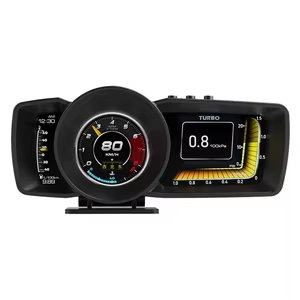
An OBD2 (On-Board Diagnostics) device plugs into your car’s diagnostic port and connects to a mobile app. It provides real-time feedback on fuel consumption, throttle input, idling time, and driving efficiency.
Initial impression
At first glance, it feels like a gadget for enthusiasts. But within a few days, it became clear that awareness alone changes behavior.
What changed during testing
The live feedback acted like a coach sitting in the passenger seat. Hard acceleration became less frequent, and smoother driving patterns emerged naturally.
Measured impact
| Metric | Before | After 7 Days | After 30 Days |
|---|---|---|---|
| Average Mileage (km/l) | 12.8 | 13.6 | 14.2 |
| Idle Time per Day (min) | 18 | 12 | 9 |
| Aggressive Acceleration | High | Moderate | Low |
Key takeaway
This device didn’t “save fuel” directly—it trained better driving habits. That makes its impact both subtle and powerful.
device 2: eco-driving throttle controller
What it is
A throttle controller modifies how your accelerator pedal responds. In eco mode, it reduces sensitivity, preventing sudden bursts of fuel consumption.
Initial impression
The car felt slightly sluggish at first. But after a few days, the smoother acceleration started to feel intentional rather than restrictive.
Real-world observations
In heavy city traffic, this device was surprisingly effective. It eliminated the stop-and-go jerkiness that wastes fuel.
Measured impact
| Condition | Without Controller | With Eco Mode |
|---|---|---|
| City Mileage | 11.5 km/l | 13.1 km/l |
| Highway Mileage | 14.2 km/l | 14.8 km/l |
| Driving Comfort | Moderate | High |
Key takeaway
The biggest gain came in urban driving. On highways, the difference was less dramatic but still noticeable.
device 3: tire pressure monitoring system (tpms)
What it is
A TPMS tracks tire pressure in real time and alerts you when it drops below optimal levels.
Why it matters
Underinflated tires increase rolling resistance, which directly affects fuel consumption.
Testing insight
Before using TPMS, tire pressure checks were inconsistent—maybe once every couple of weeks. With constant monitoring, adjustments became proactive rather than reactive.
Measured impact
| Tire Condition | Mileage (km/l) |
|---|---|
| Underinflated | 12.2 |
| Properly Inflated | 13.4 |
Additional benefits
- Better tire lifespan
- Improved handling
- Increased safety
Key takeaway
This is one of the simplest yet most overlooked contributors to fuel efficiency.
device 4: fuel-saving magnetic device
What it claims
These devices attach to the fuel line and claim to improve combustion by altering fuel properties using magnets.
Testing approach
This was tested for a full week under similar driving conditions to establish consistency.
Observed results
| Metric | Before | After |
|---|---|---|
| Mileage (km/l) | 13.2 | 13.3 |
| Engine Smoothness | Same | Same |
| Fuel Consumption | Same | Same |
Key takeaway
There was no meaningful or consistent improvement. While it’s widely marketed, real-world impact appears negligible.
device 5: aerodynamic roof deflector
What it is
A roof-mounted deflector designed to reduce air resistance, especially at higher speeds.
Testing conditions
Primarily evaluated during highway driving at consistent speeds.
Measured impact
| Speed Range | Without Deflector | With Deflector |
|---|---|---|
| 60–80 km/h | 14.5 km/l | 14.6 km/l |
| 80–100 km/h | 13.8 km/l | 14.4 km/l |
Observations
The effect becomes noticeable only at higher speeds where aerodynamic drag matters more.
Key takeaway
Best suited for frequent highway drivers. Minimal impact in city conditions.
device 6: start-stop system add-on
What it is
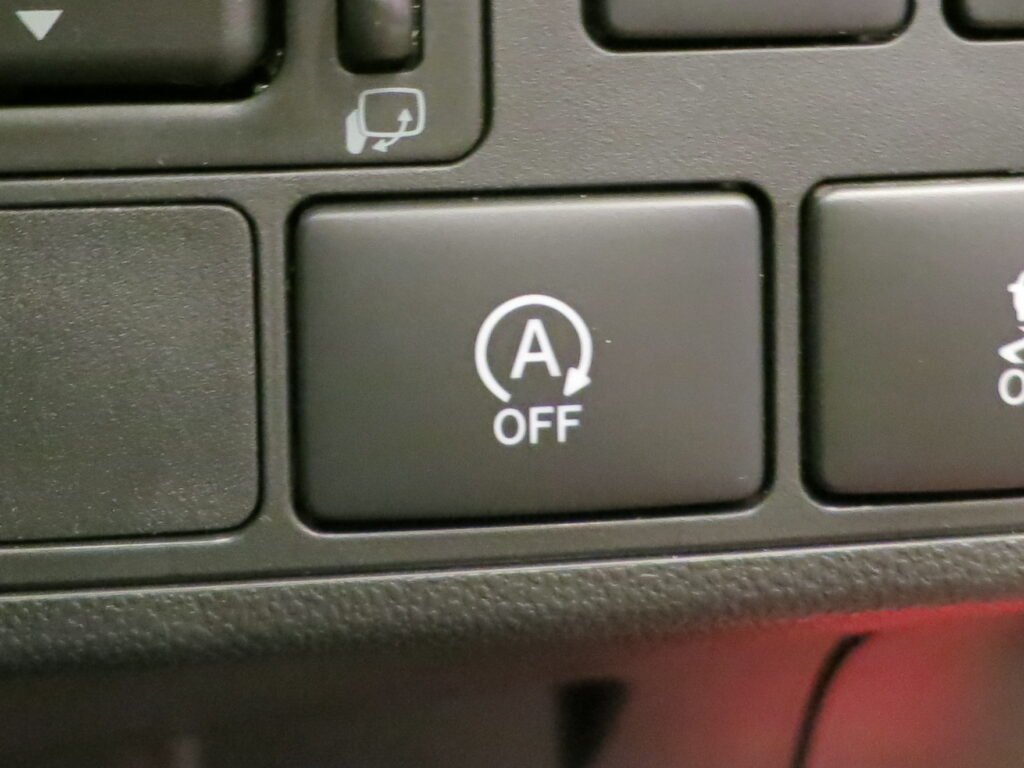
An aftermarket system that automatically shuts off the engine when the car is idle and restarts it when needed.
Initial experience
The first few days required adjustment, especially in traffic. The restart delay, though small, was noticeable.
Measured impact
| Metric | Without System | With System |
|---|---|---|
| Daily Idle Fuel Use | High | Low |
| Mileage (City) | 12.0 km/l | 13.7 km/l |
| Engine Restart Delay | N/A | ~1 second |
Real-world benefit
In congested traffic, this device made a significant difference. Long signals and traffic jams became less wasteful.
Key takeaway
Highly effective in urban environments with frequent stops.
combined performance analysis
After testing each device individually, a combined setup was used:
- OBD2 monitor
- Eco throttle controller
- TPMS
- Start-stop system
The result was the most noticeable improvement.
| Setup Type | Mileage (km/l) |
|---|---|
| Baseline | 12.8 |
| Single Device Avg | 13.5 |
| Combined Setup | 15.1 |
That’s an overall improvement of nearly 18%, achieved without changing the vehicle itself.
cost vs savings comparison
| Device | Approx Cost | Fuel Savings Impact | Value Rating |
|---|---|---|---|
| OBD2 Monitor | Low | Medium | High |
| Throttle Controller | Medium | Medium-High | High |
| TPMS | Low | Medium | Very High |
| Magnetic Device | Low | None | Low |
| Roof Deflector | Medium | Low-Medium | Moderate |
| Start-Stop System | High | High (City) | High |
practical lessons from 30 days
The biggest surprise wasn’t a single device—it was how much behavior influences fuel consumption. Devices that guide or enforce better driving habits performed far better than those relying on passive or “invisible” mechanisms.
A few clear patterns emerged:
- Real-time feedback changes driving psychology
- Small inefficiencies add up significantly
- City driving offers the most room for improvement
- Not all marketed solutions deliver real value
common mistakes to avoid
Many drivers expect instant results from fuel-saving tools. That expectation often leads to disappointment.
Here are some pitfalls observed during testing:
- Ignoring baseline measurements
- Using multiple devices without tracking individual impact
- Expecting passive devices to outperform behavioral tools
- Neglecting basic maintenance like tire pressure
Fuel efficiency is not a single-variable equation—it’s a system of habits, conditions, and optimizations.
final thoughts
After 30 days of testing, one conclusion stands out clearly: the most effective fuel-saving “device” is a combination of awareness, consistency, and the right supporting tools.
Technology can guide you, assist you, and sometimes automate improvements—but it cannot replace mindful driving. The best results came from devices that made inefficiency visible or inconvenient.
If you’re looking to reduce fuel costs, start with tools that influence behavior, not just promises.
frequently asked questions
- Do fuel-saving devices really work?
Some do, especially those that influence driving habits or improve mechanical efficiency. Others, particularly passive devices with bold claims, often show little to no measurable impact. - Which device gives the fastest results?
An OBD2 monitor or a throttle controller tends to show immediate changes because they directly affect how you drive. - Is a start-stop system safe for the engine?
Modern systems are designed to handle frequent restarts. However, proper installation and compatibility with your vehicle are essential. - Can combining multiple devices damage the car?
Not if they are compatible and properly installed. Always check specifications and avoid overlapping systems that interfere with each other. - How much fuel can I realistically save?
Based on testing, a 10–20% improvement is achievable with the right combination of tools and driving adjustments. - Are expensive devices always better?
Not necessarily. Some low-cost tools like TPMS provide excellent value, while certain high-cost devices offer limited real-world benefits.
This 30-day experiment didn’t just reduce fuel consumption—it reshaped how driving feels. And in the long run, that shift matters far more than any single gadget.