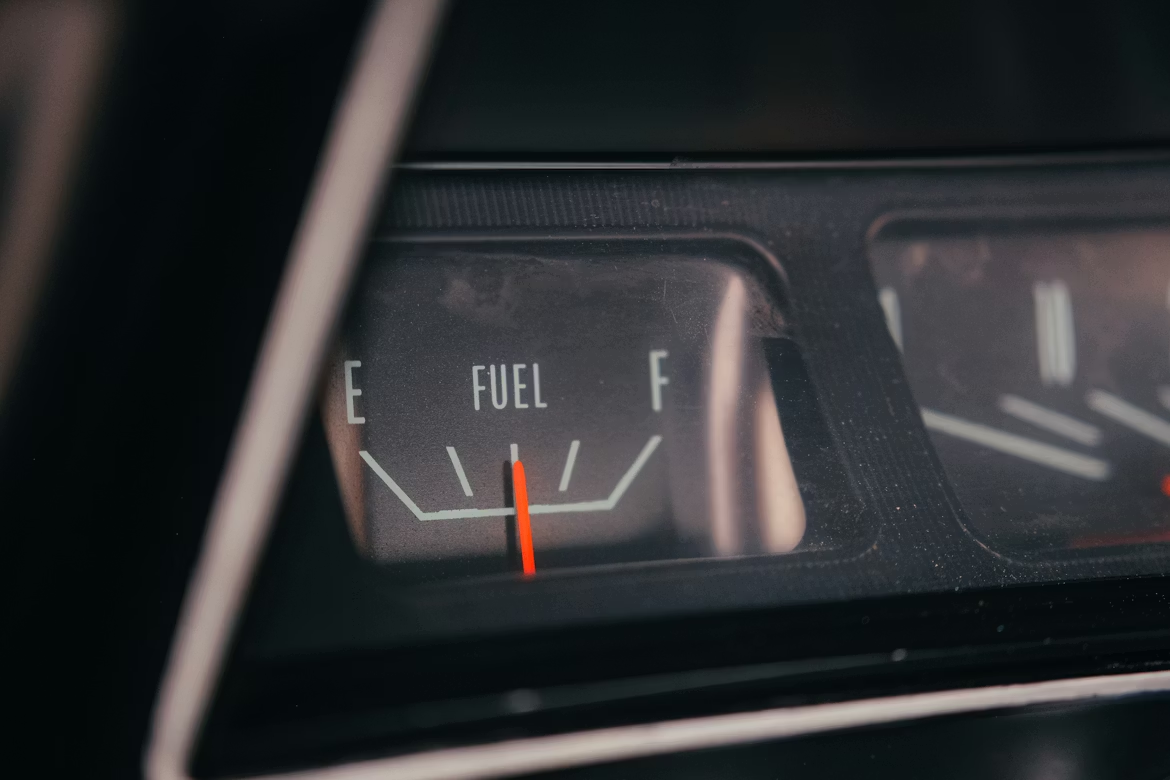
Fuel costs have a way of creeping up on you. One week everything feels manageable, and the next you’re watching the fuel gauge drop faster than expected. Over time, even small inefficiencies in a vehicle can quietly drain money. The good news is that improving fuel efficiency doesn’t always require buying a new car or making drastic changes. Often, the right tools—used consistently—can make a noticeable difference almost immediately.
This article explores nine proven fuel-saving tools that drivers rely on to improve mileage without sacrificing comfort or performance. These tools range from simple, affordable gadgets to slightly more advanced devices, but all share one thing in common: they help you get more out of every liter of fuel.
Before diving in, it’s important to understand that fuel efficiency isn’t controlled by a single factor. It’s influenced by driving behavior, vehicle condition, environmental factors, and even tire pressure. The tools below work by optimizing one or more of these variables.
- Tire Pressure Monitoring Systems (TPMS)
Tires are often overlooked when discussing fuel efficiency, yet they play a crucial role. Underinflated tires increase rolling resistance, which forces the engine to work harder. Even a slight drop in tire pressure can lead to a measurable decrease in mileage.
A Tire Pressure Monitoring System helps drivers maintain optimal tire pressure at all times. Some modern cars come equipped with built-in systems, but aftermarket versions are widely available and easy to install.
Here’s how tire pressure affects fuel efficiency:
| Tire Condition | Fuel Efficiency Impact | Reason |
|---|---|---|
| Properly inflated | Optimal | Reduced rolling resistance |
| Slightly underinflated | -2% to -3% | Increased friction |
| Severely underinflated | -5% or more | Engine strain |
By simply maintaining correct tire pressure, drivers can improve mileage instantly without changing driving habits.
- Fuel Additives
Fuel additives are chemical solutions designed to improve combustion efficiency. While not all products are created equal, reputable additives can clean fuel injectors, remove carbon deposits, and enhance fuel burn.

Over time, engines accumulate deposits that interfere with proper combustion. When fuel burns more completely, the engine produces more power using less fuel.
Common benefits of quality fuel additives:
- Improved combustion efficiency
- Cleaner engine components
- Reduced emissions
- Smoother engine performance
However, moderation is key. Using additives too frequently or relying on low-quality products can have the opposite effect. When used properly, though, they offer a quick and noticeable improvement.
- OBD2 Fuel Efficiency Monitors
OBD2 (On-Board Diagnostics) devices plug into your car’s diagnostic port and provide real-time data about engine performance. These monitors track metrics such as fuel consumption, engine load, and driving habits.
What makes these devices particularly effective is the immediate feedback they provide. Drivers often waste fuel without realizing it—through sudden acceleration, excessive idling, or inefficient gear usage.
Typical data displayed by OBD2 monitors:
| Metric | What It Tells You |
| Instant fuel consumption | How much fuel is used at any moment |
| Average mileage | Overall efficiency over time |
| Engine load | How hard the engine is working |
| Throttle position | Driver input affecting fuel use |
By adjusting behavior based on this feedback, drivers can significantly improve mileage without investing in major upgrades.
- Low Rolling Resistance Tires
Unlike standard tires, low rolling resistance tires are designed specifically to reduce friction between the tire and the road. Less friction means the engine requires less energy to keep the vehicle moving.
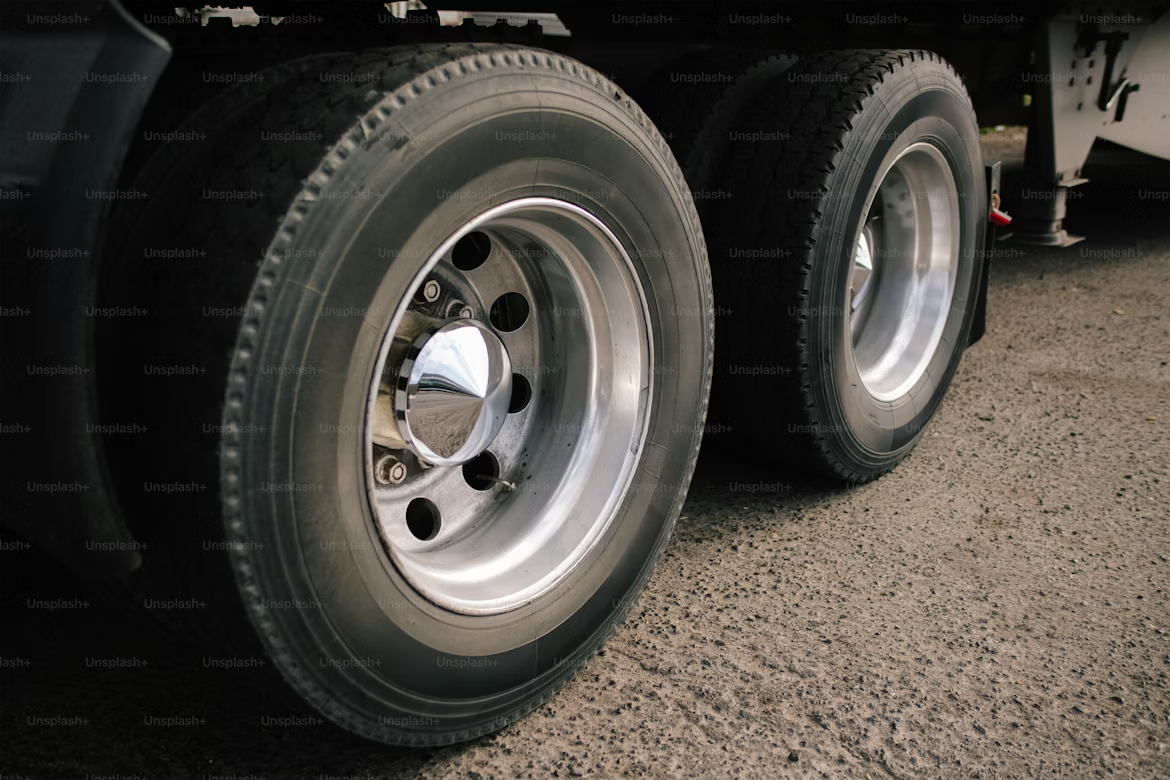
These tires are particularly beneficial for highway driving, where consistent speed allows their efficiency advantages to shine.
Comparison between standard and low rolling resistance tires:
| Feature | Standard Tires | Low Rolling Resistance Tires |
| Fuel efficiency | Moderate | High |
| Grip | High | Slightly reduced (varies) |
| Lifespan | Moderate | Often longer |
| Cost | Lower | Slightly higher |
While the upfront cost may be slightly higher, the long-term savings on fuel often outweigh the initial investment.
- Engine Tuning Devices
Engine tuning tools, sometimes referred to as performance chips or ECU tuners, adjust how the engine operates. By optimizing air-fuel ratios, ignition timing, and throttle response, these devices can enhance both performance and efficiency.
Contrary to common belief, tuning isn’t just about increasing speed. Many modern tuning devices include eco-modes that prioritize fuel savings.
Benefits of engine tuning devices:
- Optimized fuel-air mixture
- Improved throttle response
- Better torque distribution
- Increased mileage under normal driving conditions
It’s important to choose a reliable product and ensure compatibility with your vehicle. Poorly calibrated devices can cause engine issues.
- Aerodynamic Accessories
At higher speeds, air resistance becomes one of the biggest factors affecting fuel consumption. Aerodynamic tools such as roof deflectors, air dams, and streamlined cargo boxes help reduce drag.
Even small improvements in airflow can lead to noticeable fuel savings, especially for drivers who spend a lot of time on highways.
Examples of aerodynamic improvements:
| Accessory | Purpose |
| Roof deflector | Redirects airflow over vehicle |
| Air dam | Reduces air under the car |
| Streamlined cargo box | Minimizes drag from roof storage |
Removing unnecessary roof racks and carriers when not in use can also improve efficiency instantly.
- Idle Stop-Start Systems
Idle stop-start devices automatically shut off the engine when the vehicle is stationary and restart it when needed. This eliminates fuel waste during idling, which can account for a surprising portion of fuel consumption in city driving.
Modern vehicles often include this feature, but aftermarket kits are available for older cars.
Fuel savings from idle reduction:
| Driving Condition | Fuel Waste Without System | Savings With System |
| Heavy traffic | High | Significant |
| Light traffic | Moderate | Noticeable |
| Highway driving | Minimal | Limited |
For urban drivers, this tool can have an immediate and substantial impact.
- Fuel-Efficient Motor Oil
Not all engine oils are the same. Low-viscosity, fuel-efficient motor oils reduce internal engine friction, allowing components to move more freely.
This reduced friction translates into less energy required to operate the engine, which in turn improves fuel efficiency.
Key differences in motor oil types:
| Oil Type | Friction Level | Fuel Efficiency Impact |
| Conventional oil | Higher | Moderate |
| Synthetic oil | Lower | Improved |
| Low-viscosity oil | Lowest | Best |
Switching to a high-quality, manufacturer-approved oil can yield immediate benefits without any additional modifications.
- Cruise Control Systems
Cruise control helps maintain a constant speed, which is essential for fuel efficiency. Frequent acceleration and deceleration consume more fuel than steady driving.
Advanced adaptive cruise control systems go a step further by adjusting speed based on traffic conditions, further optimizing fuel use.
Impact of steady speed on fuel consumption:
| Driving Style | Fuel Efficiency |
| Aggressive driving | Low |
| Variable speed | Moderate |
| Constant speed | High |
Using cruise control on long, flat roads can noticeably improve mileage.
Putting It All Together
While each of these tools offers individual benefits, their true power lies in combination. A driver who maintains proper tire pressure, uses real-time monitoring, and adopts efficient driving habits can achieve significantly better mileage than someone relying on a single solution.
Here’s a quick summary of potential impact:
| Tool | Immediate Impact | Long-Term Savings |
| Tire pressure monitoring | High | High |
| Fuel additives | Moderate | Moderate |
| OBD2 monitors | High | High |
| Low resistance tires | Moderate | High |
| Engine tuning devices | Moderate | High |
| Aerodynamic accessories | Moderate | Moderate |
| Idle stop-start systems | High (city) | High |
| Fuel-efficient motor oil | Moderate | Moderate |
| Cruise control | Moderate | High |
The key is consistency. Tools can guide and assist, but real savings come from sustained usage and awareness.
FAQs
- Do fuel-saving tools really work, or are they just marketing gimmicks?
Some tools are indeed overhyped, but the ones discussed in this article are backed by practical engineering principles. Devices that reduce friction, optimize combustion, or improve driving behavior have measurable effects on fuel efficiency. - Which tool provides the fastest results?
Maintaining proper tire pressure and using an OBD2 monitor typically provide the quickest noticeable improvements, as they directly influence daily driving conditions. - Are fuel additives safe for all vehicles?
Most reputable fuel additives are safe when used as directed. However, it’s important to choose products compatible with your engine type and avoid overuse. - Can I use multiple fuel-saving tools at the same time?
Yes, and doing so often produces better results. For example, combining proper tire pressure, efficient driving habits, and low-viscosity oil can significantly boost mileage. - Do these tools work for older vehicles?
Many of them are especially beneficial for older vehicles, as they help compensate for wear and inefficiencies that develop over time. - Is driving style more important than tools?
Driving style plays a major role, but tools help reinforce good habits and optimize vehicle performance. The best results come from combining both.
In the end, improving fuel efficiency doesn’t require complicated changes. With the right tools and a bit of awareness, it’s possible to reduce fuel consumption, save money, and extend the life of your vehicle—all starting today.