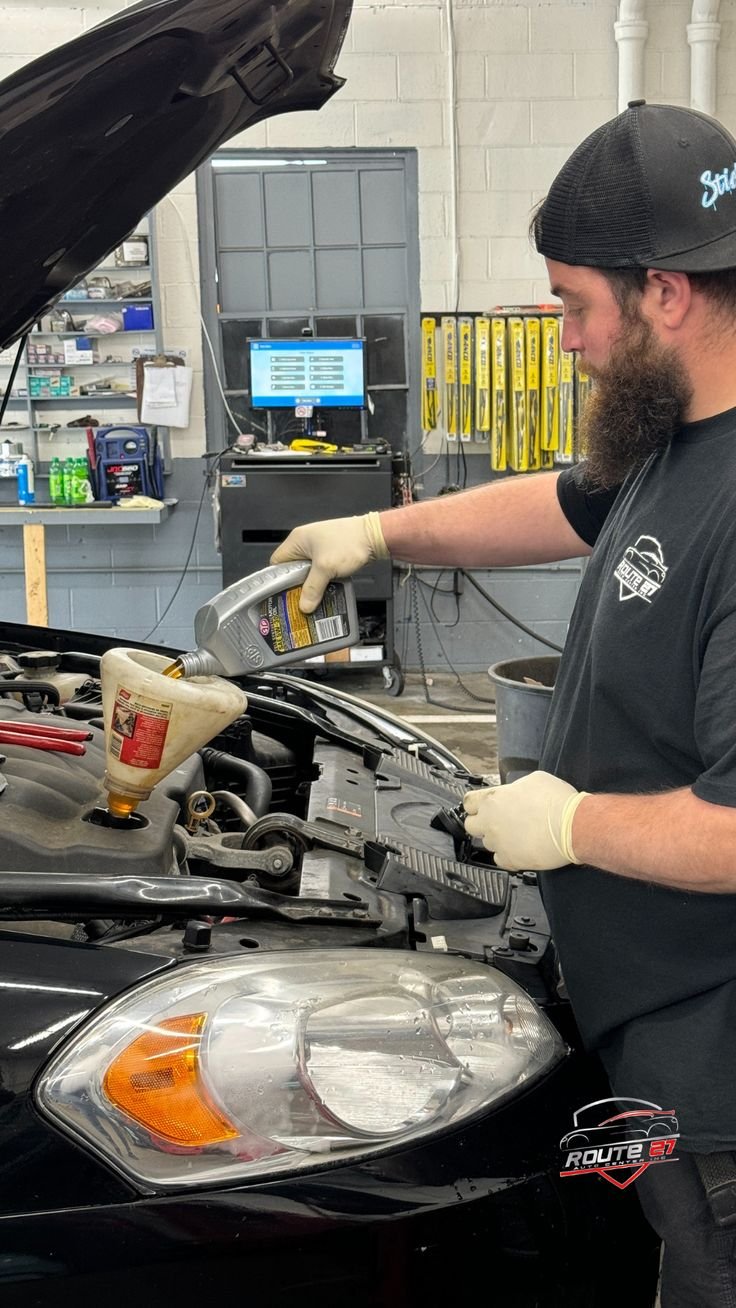
There’s a common assumption that fuel efficiency is mostly about how you drive. And while driving habits do matter, there’s another side to the story that often gets ignored—maintenance.
For a long time, I focused on changing my driving style, expecting dramatic improvements in fuel economy. I accelerated gently, avoided unnecessary braking, and tried to maintain steady speeds. The results were there, but they weren’t as significant as I expected.
What I eventually realized was simple: even the best driving habits can’t compensate for a poorly maintained vehicle.
A car that isn’t properly maintained will always consume more fuel than necessary, no matter how carefully it’s driven. The engine has to work harder, components don’t move as efficiently, and small inefficiencies start to add up.
These nine maintenance hacks aren’t complicated. In fact, most of them are basic practices that many drivers overlook. But together, they can significantly improve mileage and extend the life of your vehicle.
Keeping Tires Properly Inflated at All Times
Tires are one of the few parts of your vehicle that directly interact with the road, yet they’re often neglected until there’s a visible problem.
Underinflated tires increase rolling resistance, which forces the engine to use more fuel to keep the car moving.
What surprised me was how often tire pressure drops slightly without being noticeable during driving.
Tire pressure impact:
| Tire Condition | Rolling Resistance | Fuel Efficiency |
|---|---|---|
| Correct pressure | Low | Optimal |
| Slightly low | Moderate | Reduced |
| Very low | High | Poor |
Checking tire pressure regularly is one of the simplest and most effective ways to improve fuel efficiency.
Replacing Air Filters Before They Get Too Dirty
An engine needs a precise balance of air and fuel to operate efficiently. A clogged air filter restricts airflow, forcing the engine to compensate by using more fuel.
I used to replace air filters only when they were visibly dirty. Now, I replace them earlier—and the difference is noticeable.
Air filter condition effect:
| Filter Condition | Airflow | Fuel Efficiency |
| Clean | High | Optimal |
| Partially clogged | Reduced | Moderate |
| Heavily clogged | Low | Poor |
It’s a small component with a surprisingly large impact.
Using the Right Engine Oil and Changing It on Time
Engine oil reduces friction between moving parts. Over time, oil breaks down and becomes less effective.
Using old or incorrect oil increases internal resistance, which in turn increases fuel consumption.
Oil performance comparison:
| Oil Condition | Engine Friction | Fuel Efficiency |
| Fresh, correct oil | Low | High |
| Slightly worn | Moderate | Moderate |
| Old/dirty oil | High | Low |
Switching to the recommended oil type and maintaining regular changes can improve efficiency almost immediately.
Keeping Fuel Injectors Clean
Fuel injectors are responsible for delivering fuel into the engine in a precise spray pattern. Over time, deposits can build up and disrupt this pattern.
When fuel isn’t sprayed properly, combustion becomes less efficient.
Injector condition effect:
| Injector State | Combustion Quality | Fuel Usage |
| Clean | Efficient | Lower |
| Slight buildup | Moderate | Moderate |
| Heavy deposits | Poor | Higher |
Using quality fuel and occasional cleaning helps maintain proper function.
Ensuring Proper Wheel Alignment
Wheel alignment isn’t just about handling—it also affects fuel efficiency.
Misaligned wheels create additional resistance, making the engine work harder.
Alignment impact:
| Alignment Condition | Driving Stability | Fuel Efficiency |
| Proper | Smooth | Optimal |
| Slightly off | Slight pull | Reduced |
| Poor | Noticeable pull | Low |
Regular alignment checks prevent unnecessary fuel waste.
Maintaining Spark Plugs for Efficient Combustion
Spark plugs ignite the air-fuel mixture in the engine. Worn or faulty plugs can cause incomplete combustion, reducing efficiency.
Spark plug condition:
| Plug Condition | Ignition Quality | Fuel Efficiency |
| New | Strong | High |
| Worn | Weak | Moderate |
| Faulty | Inconsistent | Low |
Replacing them at recommended intervals ensures optimal performance.
Checking and Replacing Oxygen Sensors
Oxygen sensors monitor the air-fuel mixture and help the engine adjust accordingly.
A faulty sensor can cause the engine to use more fuel than necessary.
Sensor performance:
| Sensor State | Fuel Control Accuracy | Fuel Usage |
| Working properly | High | Optimal |
| Slightly faulty | Moderate | Increased |
| Malfunctioning | Poor | High |
This is one of those hidden components that can quietly affect efficiency.
Reducing Engine Load Through Regular Cleaning
A clean engine runs more efficiently. Dirt, debris, and buildup can affect cooling and overall performance.
While it may not seem directly related to fuel consumption, maintaining a clean engine environment supports better operation.
Engine cleanliness effect:
| Condition | Heat Management | Efficiency |
| Clean | Optimal | High |
| Moderately dirty | Moderate | Moderate |
| Very dirty | Poor | Low |
Simple cleaning routines can contribute to long-term efficiency.
Keeping the Exhaust System in Good Condition
The exhaust system plays a role in how efficiently the engine operates. Blockages or leaks can disrupt airflow and reduce performance.
Exhaust condition impact:
| Exhaust State | Engine Performance | Fuel Efficiency |
| Clear | Smooth | Optimal |
| Partial blockage | Reduced | Moderate |
| Severe issues | Poor | Low |
Regular inspections help catch problems early.
How These Maintenance Hacks Work Together
Each of these maintenance practices improves a specific aspect of vehicle performance. Together, they create a system where the engine operates efficiently, with minimal waste.
Combined impact:
| Maintenance Level | Fuel Efficiency |
| Minimal upkeep | Low |
| Basic maintenance | Moderate |
| Consistent maintenance | High |
Consistency is the key factor. Occasional fixes help, but regular upkeep delivers lasting results.
Common Maintenance Mistakes That Waste Fuel
Even well-meaning drivers can fall into habits that reduce efficiency:
- Delaying oil changes
- Ignoring minor engine issues
- Skipping tire pressure checks
- Using low-quality fuel consistently
- Overlooking small warning signs
Avoiding these mistakes is just as important as applying the right practices.
Realistic Fuel Savings Expectations
Maintenance improvements don’t always produce dramatic results immediately, but they create steady gains over time.
Estimated savings:
| Maintenance Action | Expected Improvement |
| Tire pressure control | 2% – 5% |
| Clean air filter | 3% – 6% |
| Proper oil usage | 1% – 3% |
| Clean injectors | 2% – 4% |
| Combined approach | 8% – 15% |
Over time, these improvements translate into noticeable savings.
A Different Way to Think About Maintenance
Maintenance isn’t just about preventing breakdowns. It’s about optimizing performance.
A well-maintained car doesn’t just last longer—it runs smoother, responds better, and uses fuel more efficiently.
Once you start paying attention to these details, the difference becomes hard to ignore.
FAQs
- Which maintenance task improves fuel efficiency the most?
Maintaining proper tire pressure and replacing air filters regularly tend to have the most noticeable impact. - How often should I change engine oil for better mileage?
Follow the manufacturer’s recommendation, but regular changes are essential for maintaining efficiency. - Do fuel injectors need regular cleaning?
Not always, but occasional cleaning helps maintain proper fuel delivery and combustion. - Can wheel alignment really affect fuel consumption?
Yes, misalignment increases resistance, which forces the engine to use more fuel. - Are oxygen sensors important for fuel efficiency?
Yes, they help regulate the air-fuel mixture. Faulty sensors can significantly increase fuel usage. - How long does it take to see results from these maintenance hacks?
Some improvements, like tire pressure and air filter changes, can show results quickly, while others build gradually over time.
In the end, better mileage isn’t just about driving differently—it’s about maintaining your car in a way that allows it to perform at its best. Small efforts, done consistently, make a lasting difference.