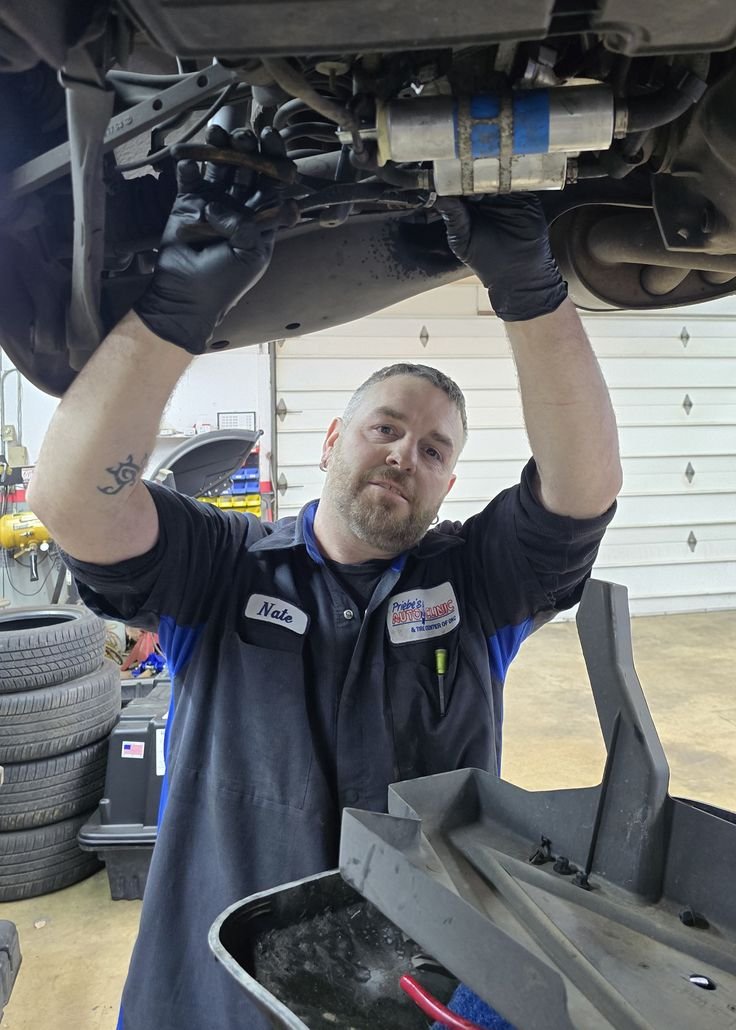
There’s a tendency among drivers to focus on fuel-saving techniques behind the wheel—how fast you accelerate, how smoothly you brake, or how consistently you maintain speed. While those habits matter, there’s another side of fuel efficiency that often gets overlooked: maintenance.
A vehicle that isn’t properly maintained quietly wastes fuel every single day. It doesn’t announce the problem, and in many cases, the driver adapts without realizing it. Slightly lower mileage becomes the new normal. Fuel costs creep upward. Performance feels “just okay.” And all of it traces back to small maintenance issues that compound over time.
The reality is simple: a well-maintained vehicle doesn’t just run better—it uses fuel more efficiently. In this article, we’ll explore ten essential maintenance tips that directly impact fuel consumption. These are not complicated or expensive fixes. They’re practical, proven steps that help your vehicle perform at its best while saving money daily.
understanding the link between maintenance and fuel efficiency
Before diving into the specific tips, it helps to understand how maintenance affects fuel usage.
A vehicle relies on several systems working together efficiently: air intake, fuel delivery, ignition, exhaust, and rolling components like tires. When even one of these systems underperforms, the engine compensates—often by consuming more fuel.
table: maintenance issues and their fuel impact
| Maintenance Issue | Fuel Impact |
|---|---|
| Dirty air filter | +5–10% usage |
| Low tire pressure | +3–5% usage |
| Worn spark plugs | +5–15% usage |
| Old engine oil | +2–5% usage |
| Misaligned wheels | +3–7% usage |
What looks like a minor issue can quickly become a recurring cost.
- replace or clean the air filter regularly
Your engine needs a precise balance of air and fuel to operate efficiently. A clogged air filter restricts airflow, disrupting that balance.
what happens when it’s dirty
- reduced airflow
- incomplete combustion
- increased fuel consumption
efficiency comparison
| Air Filter Condition | Fuel Efficiency |
|---|---|
| Clean | optimal |
| Slightly clogged | -3% |
| Heavily clogged | -10% |
practical advice
Check the air filter every few months, especially if you drive in dusty conditions.
- maintain proper tire pressure
Tires are the only part of your vehicle that touches the road, and their condition directly affects fuel efficiency.
why it matters
Underinflated tires increase rolling resistance, forcing the engine to work harder.
pressure impact table
| Tire Pressure Level | Fuel Efficiency |
|---|---|
| Optimal | 100% |
| -10% pressure | -2% |
| -20% pressure | -5% |
simple habit
Check tire pressure weekly or before long trips.
- change engine oil on schedule
Engine oil reduces friction between moving parts. Over time, oil breaks down and becomes less effective.
effects of old oil
- increased engine friction
- reduced efficiency
- higher fuel consumption
oil condition chart
| Oil Condition | Engine Efficiency |
|---|---|
| Fresh oil | optimal |
| Aging oil | slightly reduced |
| Old/dirty oil | significantly reduced |
keeping oil fresh ensures smoother engine performance.
- inspect and replace spark plugs
Spark plugs ignite the fuel-air mixture in your engine. Worn plugs can lead to incomplete combustion.
symptoms of worn plugs
- rough idling
- poor acceleration
- increased fuel usage
impact table
| Spark Plug Condition | Fuel Efficiency |
|---|---|
| New | optimal |
| Worn | -5–10% |
| Faulty | -15% or more |
regular replacement improves both performance and efficiency.
- keep wheels properly aligned
Wheel alignment affects how smoothly your vehicle moves.
what happens when misaligned
- uneven tire wear
- increased resistance
- higher fuel consumption
alignment impact chart
| Alignment Status | Fuel Efficiency |
|---|---|
| Proper alignment | optimal |
| Slight misalignment | -3% |
| Severe misalignment | -7% |
if your car pulls to one side, it’s time for an alignment check.
- monitor the fuel system
The fuel system includes injectors, pumps, and filters that deliver fuel to the engine.
common issues
- clogged injectors
- dirty fuel filters
- inconsistent fuel delivery
fuel system efficiency table
| Condition | Fuel Efficiency |
|---|---|
| Clean system | optimal |
| Minor buildup | -3% |
| Heavy deposits | -8% |
periodic cleaning keeps fuel delivery consistent.
- check oxygen sensors
Oxygen sensors monitor the air-fuel mixture and help the engine adjust accordingly.
why they matter
A faulty sensor can cause the engine to use more fuel than necessary.
impact chart
| Sensor Condition | Fuel Efficiency |
|---|---|
| Working properly | optimal |
| Faulty | -10–15% |
modern vehicles rely heavily on these sensors for efficiency.
- maintain the cooling system
An engine runs most efficiently within a specific temperature range.
issues with poor cooling
- overheating
- inefficient combustion
- increased fuel use
cooling system table
| Cooling Status | Engine Efficiency |
|---|---|
| Proper cooling | optimal |
| Overheating risk | reduced |
regular coolant checks prevent efficiency loss.
- replace fuel filters when needed
Fuel filters remove impurities before fuel reaches the engine.
what happens when clogged
- restricted fuel flow
- poor engine performance
- increased fuel consumption
filter condition chart
| Fuel Filter Status | Fuel Efficiency |
|---|---|
| Clean | optimal |
| Partially clogged | -3–5% |
| Fully clogged | significant loss |
changing filters ensures smooth fuel delivery.
- keep the battery and electrical system healthy
Modern vehicles rely on electrical systems for efficient operation.
why it matters
A weak battery increases the load on the alternator, which in turn puts extra strain on the engine.
impact table
| Battery Condition | Fuel Efficiency |
|---|---|
| Healthy | optimal |
| Weak | slightly reduced |
| Failing | noticeable loss |
a well-maintained battery supports overall efficiency.
combined impact of maintenance
Each maintenance task contributes a small improvement. Together, they create significant fuel savings.
combined savings table
| Maintenance Level | Estimated Savings |
|---|---|
| Basic maintenance | 5–10% |
| Moderate upkeep | 10–20% |
| Full maintenance routine | 20–30% |
real-world example
Consider a vehicle using 1,800 liters of fuel annually.
improved scenario
| Factor | Value |
|---|---|
| Baseline usage | 1,800 L |
| 20% reduction | 1,440 L |
| Fuel saved | 360 L |
this translates into noticeable cost savings.
maintenance schedule overview
| Component | Recommended Check Interval |
|---|---|
| Air filter | 3–6 months |
| Tire pressure | Weekly |
| Engine oil | 5,000–10,000 km |
| Spark plugs | 20,000–40,000 km |
| Fuel filter | 20,000–30,000 km |
| Wheel alignment | Every 10,000 km |
following a schedule prevents small issues from becoming costly problems.
daily awareness tips
- listen for unusual engine sounds
- monitor fuel efficiency trends
- address warning lights immediately
- keep maintenance records
being proactive saves both fuel and money.
long-term benefits
Fuel-saving maintenance offers more than just reduced fuel costs:
- longer engine lifespan
- fewer breakdowns
- smoother driving experience
- lower repair expenses
over time, these benefits outweigh the effort required.
common misconceptions
many drivers believe:
maintenance doesn’t affect fuel efficiency much
in reality, it plays a major role.
only major repairs matter
small issues often have the biggest impact.
new cars don’t need maintenance
even new vehicles require regular care.
frequently asked questions
- which maintenance task saves the most fuel?
Maintaining proper tire pressure and replacing dirty air filters usually provide the quickest and most noticeable improvements. - how often should I service my car for fuel efficiency?
Regular servicing every 5,000 to 10,000 km is a good guideline, depending on your vehicle. - can poor maintenance really increase fuel usage significantly?
Yes, neglected maintenance can increase fuel consumption by 10–30% over time. - do fuel system cleaners help?
They can help remove deposits and improve efficiency when used appropriately. - is it expensive to maintain a fuel-efficient car?
Not necessarily. Preventive maintenance is often cheaper than dealing with major repairs later. - can I combine maintenance with better driving habits?
Absolutely. Combining both leads to the best possible fuel savings.
final thoughts
Fuel efficiency isn’t just about how you drive—it’s about how well your vehicle is cared for. Maintenance may not always feel urgent, but its impact is constant. Every neglected filter, worn component, or overlooked check quietly increases fuel consumption.
The good news is that most of these issues are easy to fix. With a little attention and consistency, you can keep your vehicle running efficiently and avoid unnecessary fuel expenses.
Think of maintenance as a silent partner in fuel savings. It doesn’t demand much, but it rewards you every time you drive.