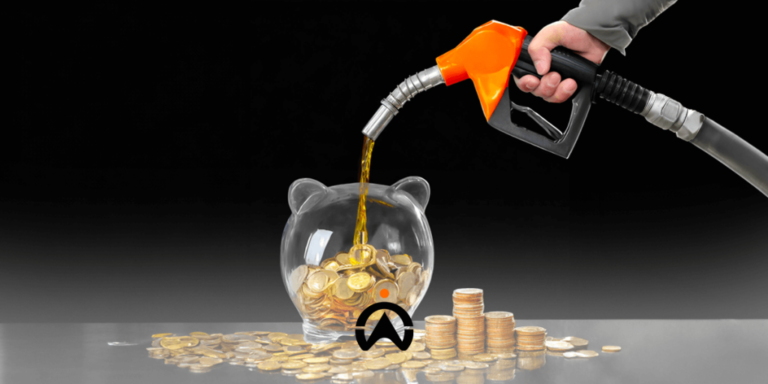
Most people think about fuel savings in short bursts—when prices spike, when budgets get tight, or when a long trip is coming up. But the real game isn’t short-term savings. It’s consistency.
Long-term fuel savings don’t come from one clever trick. They come from habits, systems, and small optimizations that quietly reduce consumption over months and years.
I didn’t realize this at first. I used to focus on immediate wins—cheaper fuel stations, driving slower for a few days, occasionally checking tire pressure. It helped, but not in a lasting way.
What actually changed things was building a system—one that made fuel efficiency almost automatic.
This article breaks down eight ultimate techniques that aren’t just quick fixes—they’re sustainable, repeatable, and surprisingly powerful over time.
why long-term fuel savings require a different approach
Short-term savings are reactive.
Long-term savings are structural.
They focus on:
- Consistency over intensity
- Systems over effort
- Awareness over guesswork
The difference is subtle but important. Anyone can save fuel for a week. The challenge is saving fuel every week without thinking about it.
quick overview of the 8 techniques
| Technique | Type | Effort | Long-Term Impact |
|---|---|---|---|
| Driving consistency system | Behavioral | Medium | Very High |
| Preventive maintenance routine | Mechanical | Low | Very High |
| Route intelligence planning | Strategic | Low | High |
| Fuel tracking habit | Analytical | Low | High |
| Tire optimization strategy | Mechanical | Low | Medium |
| Load & drag management | Physical | Low | Medium |
| Smart refueling system | Financial | Low | Medium |
| Technology integration | Digital | Medium | High |
- build a driving consistency system
Fuel efficiency improves when your driving becomes predictable.
Not slow—predictable.
That means:
- Smooth acceleration
- Stable speeds
- Minimal unnecessary braking
driving pattern impact chart
| Driving Behavior | Efficiency Level | Fuel Waste |
|---|---|---|
| Aggressive driving | Low | High |
| Inconsistent driving | Medium | Medium |
| Smooth & consistent | High | Low |
What changed for me:
Instead of reacting to traffic, I started anticipating it. Instead of accelerating quickly, I applied steady pressure.
It didn’t feel dramatic—but over time, it reduced fuel usage significantly.
- follow a preventive maintenance routine
A well-maintained car is a fuel-efficient car.
The problem is most maintenance is reactive—we fix things after they go wrong.
Preventive maintenance avoids that.
maintenance impact table
| Maintenance Task | Frequency | Fuel Impact |
|---|---|---|
| Oil change | Every 5,000–10,000 km | Improves efficiency |
| Air filter replacement | Every 10,000–15,000 km | Better airflow |
| Spark plug check | Periodic | Cleaner combustion |
| Wheel alignment | As needed | Reduced drag |
Observation:
After regular maintenance, fuel efficiency doesn’t just improve—it stabilizes.
- use route intelligence instead of routine routes
Most drivers use familiar routes.
Efficient drivers use intelligent routes.
That means:
- Avoiding peak traffic times
- Combining trips
- Adjusting routes based on conditions
route efficiency comparison
| Route Type | Distance | Time | Fuel Used |
|---|---|---|---|
| Routine route | 12 km | 30 min | 1.6 L |
| Optimized route | 13 km | 22 min | 1.2 L |
Insight:
The shortest route is not always the most efficient.
- build a fuel tracking habit
Tracking is the foundation of long-term savings.
Without it, you’re guessing.
With it, you’re improving.
monthly tracking example
| Month | Distance | Fuel Used | Avg Efficiency |
|---|---|---|---|
| January | 900 km | 85 L | 10.5 km/L |
| February | 920 km | 78 L | 11.8 km/L |
| March | 880 km | 72 L | 12.2 km/L |
What this reveals:
Progress over time—not just daily fluctuations.
- optimize tire performance consistently
Tire efficiency isn’t a one-time fix—it’s ongoing.
Pressure changes with:
- Temperature
- Usage
- Road conditions
tire condition vs efficiency
| Condition | Fuel Efficiency |
|---|---|
| Proper pressure | High |
| Slightly low | Medium |
| Underinflated | Low |
Long-term benefit:
Consistent tire checks prevent gradual efficiency loss.
- manage load and aerodynamic drag
Fuel efficiency isn’t just about the engine—it’s about resistance.
Two major factors:
- Weight
- Air resistance
drag impact chart
| Factor | Effect on Fuel |
|---|---|
| Roof racks | Increased drag |
| Open windows (high speed) | Reduced efficiency |
| Heavy cargo | Increased consumption |
Real-world habit:
Removing unnecessary items from the car became routine—and it paid off quietly over time.
- create a smart refueling system
Refueling isn’t just about convenience—it’s a strategy.
Long-term savers:
- Track fuel prices
- Use consistent stations
- Avoid emergency refueling
fuel price tracking table
| Week | Avg Price | Strategy |
|---|---|---|
| Week 1 | High | Minimal refueling |
| Week 2 | Medium | Partial refill |
| Week 3 | Low | Full tank |
Result:
Lower average fuel cost over time.
- integrate technology into your routine
Technology is what makes long-term savings sustainable.
Useful tools include:
- Navigation apps with eco-routing
- Fuel tracking apps
- Vehicle diagnostic tools
technology impact table
| Tool Type | Benefit |
|---|---|
| Navigation apps | Route optimization |
| Tracking apps | Data insights |
| Diagnostic tools | Early problem detection |
Key idea:
Technology reduces effort—it turns good habits into automatic ones.
how these techniques work together
Individually, each technique helps.
Together, they transform.
combined savings potential
| Technique Category | Estimated Savings |
|---|---|
| Driving behavior | 10–15% |
| Maintenance | 10–15% |
| Route planning | 10–20% |
| Tracking & awareness | 5–10% |
Total realistic long-term savings: 25–40%
long-term vs short-term savings comparison
| Approach | Duration | Impact |
|---|---|---|
| Short-term fixes | Days/weeks | Temporary |
| Long-term systems | Months/years | Compounding |
The difference:
Short-term saves money once.
Long-term systems save money continuously.
what actually changes over time
At first:
You think about fuel savings.
Later:
You act on fuel savings.
Eventually:
You don’t think about it at all—it becomes habit.
behavior transformation chart
| Stage | Mindset |
|---|---|
| Beginner | Awareness |
| Intermediate | Adjustment |
| Advanced | Automation |
common mistakes in long-term fuel saving
- Trying to change everything at once
- Ignoring tracking data
- Being inconsistent
- Focusing only on fuel price
Consistency matters more than perfection.
the principle behind all long-term savings
Every technique in this article follows one rule:
Reduce wasted energy consistently.
That’s it.
FAQs
- How long does it take to see long-term fuel savings?
Most people notice changes within a few weeks, but significant results appear over 2–3 months.
- Which technique has the biggest impact?
Driving behavior and route optimization usually provide the largest improvements.
- Do I need special tools to implement these techniques?
Not necessarily. Many techniques rely on habits rather than equipment.
- Can older cars benefit from these methods?
Yes. In fact, older cars often show more noticeable improvements.
- Is tracking really necessary?
Yes. Without tracking, it’s difficult to measure progress or identify patterns.
- Can these techniques reduce overall driving costs?
Absolutely. They lower fuel consumption and reduce wear and tear on the vehicle.
final thoughts
Fuel savings isn’t about chasing the lowest price or trying one new trick every week.
It’s about building a system that works quietly in the background—every day, every trip, every refill.
Once that system is in place, something interesting happens:
You stop trying to save fuel.
And start naturally using less of it.
That’s when the real, long-term savings begin.