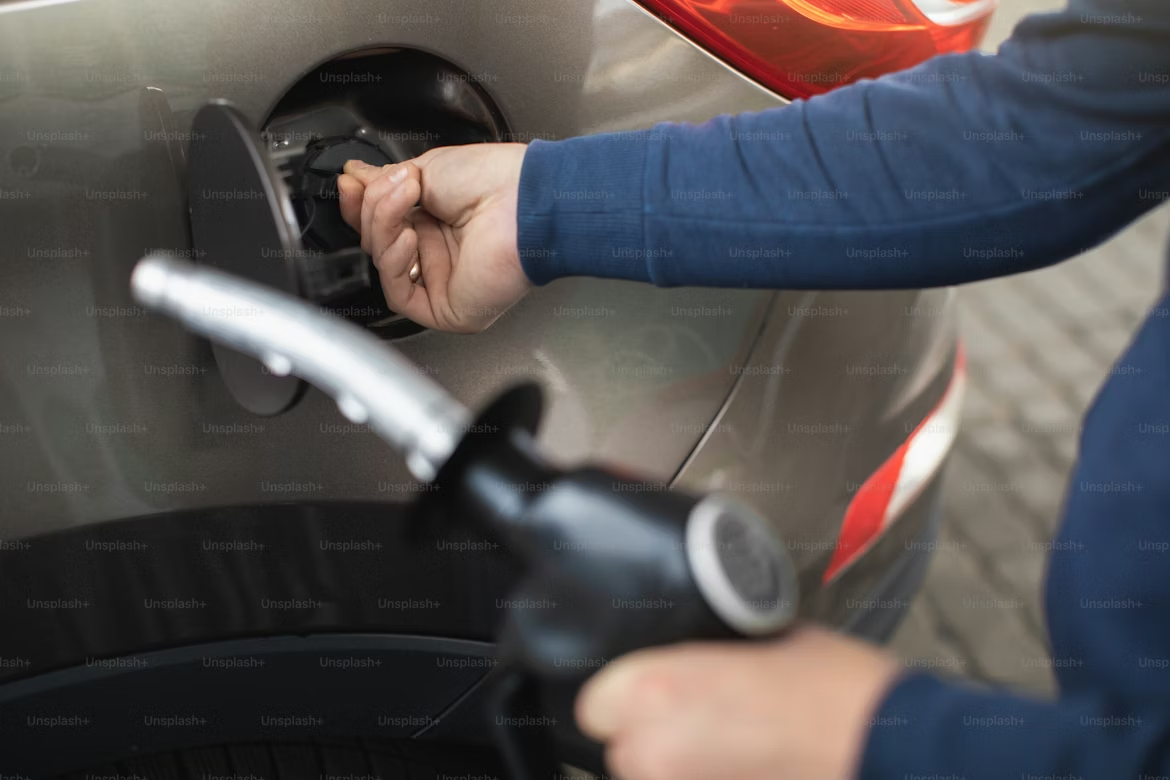
Fuel efficiency is no longer just a concern for long-distance drivers or commercial fleets. With rising fuel costs and increasing environmental awareness, everyday drivers are now looking for practical ways to stretch every liter of fuel. While good driving habits play a major role, technology has stepped in with a range of innovative gadgets that can significantly improve fuel economy.
This article explores ten powerful fuel-saving gadgets that drivers can incorporate into their daily routines. Along the way, you’ll find practical insights, comparison tables, and real-world use cases to help you understand which tools are worth your investment.
understanding how fuel-saving gadgets work
Before diving into specific tools, it helps to understand the basic principles behind fuel savings. Most gadgets focus on one or more of the following:
- improving combustion efficiency
- reducing engine load
- optimizing driving behavior
- maintaining proper vehicle conditions
- minimizing aerodynamic drag
Even small improvements in these areas can result in noticeable savings over time.
- obd2 fuel efficiency monitors
An OBD2 (On-Board Diagnostics) device plugs directly into your vehicle’s diagnostic port and provides real-time data about engine performance, fuel consumption, and driving habits.
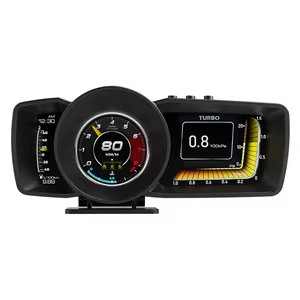
These devices are especially powerful because they turn invisible inefficiencies into visible insights.
key features
- real-time fuel consumption tracking
- driving behavior analysis (acceleration, braking, idling)
- engine diagnostics and alerts
- mobile app integration
how it saves fuel
By showing how your driving style affects fuel usage, OBD2 monitors encourage smoother acceleration, consistent speeds, and reduced idling.
example table: impact of driving habits
| Driving Behavior | Fuel Consumption Impact |
|---|---|
| Aggressive acceleration | +20–30% fuel usage |
| Smooth acceleration | baseline |
| Excessive idling | +10% fuel usage |
| Steady cruising | -10–15% fuel usage |
- tire pressure monitoring systems (tpms)
Underinflated tires create more rolling resistance, forcing your engine to work harder and burn more fuel.
key features
- real-time tire pressure display
- alerts for low or high pressure
- temperature monitoring
how it saves fuel
Maintaining optimal tire pressure can improve fuel efficiency by up to 3–5%.
chart: tire pressure vs fuel efficiency
| Tire Pressure Level | Fuel Efficiency |
|---|---|
| Proper | 100% baseline |
| -10% pressure | -2% efficiency |
| -20% pressure | -5% efficiency |
- fuel-saving performance chips
Performance chips, also known as ECU tuners, modify your car’s engine control unit settings to optimize fuel injection and air-fuel ratios.
key features
- optimized engine timing
- improved throttle response
- customizable driving modes
how it saves fuel
By fine-tuning engine performance, these chips ensure more efficient combustion, especially during highway driving.
- aerodynamic roof boxes
It may sound counterintuitive, but modern aerodynamic roof boxes are designed to reduce drag compared to carrying loose cargo.
key features
- streamlined shape
- lightweight materials
- easy installation
how it saves fuel
Properly designed roof boxes reduce turbulence, helping maintain smoother airflow and lowering fuel consumption compared to poorly secured cargo.
- smart cruise control devices
Adaptive or smart cruise control systems maintain a steady speed and safe distance from other vehicles.
key features
- automatic speed adjustment
- traffic-aware driving
- consistent throttle control
how it saves fuel
Maintaining a constant speed is one of the most effective ways to reduce fuel consumption, especially on highways.
comparison: manual vs smart driving
| Driving Type | Fuel Efficiency |
|---|---|
| Manual driving | variable |
| Cruise control | +7–14% better |
- engine start-stop systems (aftermarket)
Start-stop systems automatically turn off the engine when the car is idle and restart it when needed.
key features
- automatic engine shutoff
- seamless restart
- battery optimization
how it saves fuel
Idling consumes fuel without moving the vehicle. Start-stop systems eliminate this waste, particularly in city traffic.
urban driving impact
| Driving Condition | Fuel Savings |
|---|---|
| Heavy traffic | 8–15% |
| Moderate traffic | 5–10% |
| Highway | minimal |
- fuel additives for cleaner combustion
Fuel additives are chemical solutions added to your tank to clean injectors and improve combustion efficiency.
key features
- injector cleaning
- carbon deposit removal
- improved fuel burn
how it saves fuel
Cleaner engines burn fuel more efficiently, reducing waste and improving mileage over time.
note: while results vary, consistent use can lead to gradual improvements rather than instant gains.
- low rolling resistance tires
These specialized tires are designed to reduce the energy lost as heat when rolling.
key features
- advanced rubber compounds
- optimized tread patterns
- longer lifespan
how it saves fuel
By reducing friction with the road, these tires allow your vehicle to move more easily, requiring less fuel.
table: tire types comparison
| Tire Type | Fuel Efficiency | Grip Level |
|---|---|---|
| Standard tires | baseline | high |
| Low rolling resistance | +5–8% | moderate |
| Performance tires | -5% | very high |
- solar-powered battery chargers
These gadgets use solar panels to maintain your car battery, reducing the load on the alternator.
key features
- dashboard or roof mounting
- trickle charging
- eco-friendly operation
how it saves fuel
A well-maintained battery reduces the strain on the engine, which can lead to minor but consistent fuel savings.
- driving feedback apps and devices
These tools combine GPS, sensors, and analytics to provide insights into your driving patterns.
key features
- trip analysis
- fuel usage reports
- eco-driving tips
how it saves fuel
Behavioral changes often lead to the biggest improvements. These tools act like a coach, helping drivers adopt fuel-efficient habits.
chart: behavior-driven savings
| Change in Habit | Fuel Savings |
|---|---|
| Gentle braking | 5% |
| Reduced speeding | 10–20% |
| Less idling | 5–10% |
combined impact of multiple gadgets
Using multiple fuel-saving gadgets together can produce compounding benefits.
example scenario
| Gadget Combination | Estimated Savings |
|---|---|
| TPMS + OBD2 monitor | 5–8% |
| Cruise control + driving feedback device | 10–18% |
| Full setup (5+ gadgets) | 15–30% |
real-world application
Consider a driver who travels 20,000 km annually. Even a 15% improvement in fuel efficiency could result in significant cost savings over a year.
sample calculation
| Factor | Value |
|---|---|
| Annual distance | 20,000 km |
| Fuel economy (baseline) | 12 km/l |
| Fuel used (baseline) | 1,667 liters |
| 15% improvement | 1,417 liters |
| Fuel saved | 250 liters |
This demonstrates how small efficiency gains translate into real financial benefits.
choosing the right gadgets
Not all gadgets are equally useful for every driver. Your choice should depend on:
- driving environment (city vs highway)
- vehicle type
- budget
- willingness to change driving habits
quick selection guide
| Driver Type | Recommended Gadgets |
|---|---|
| City commuter | Start-stop system, TPMS, OBD2 monitor |
| Highway driver | Cruise control, performance chip |
| Eco-conscious | Solar charger, fuel additives |
| Tech enthusiast | Driving feedback apps, OBD2 monitor |
long-term benefits beyond fuel savings
Fuel-saving gadgets offer more than just reduced fuel costs. They also contribute to:
- lower emissions
- improved engine lifespan
- reduced maintenance costs
- better driving awareness
Over time, these benefits can outweigh the initial investment.
common myths about fuel-saving gadgets
myth 1: all gadgets work instantly
Reality: many tools require consistent use to show results.
myth 2: expensive gadgets are always better
Reality: simple tools like tire pressure monitors can be highly effective.
myth 3: gadgets replace good driving habits
Reality: they enhance habits, not replace them.
frequently asked questions
- do fuel-saving gadgets really work?
Yes, most fuel-saving gadgets work when used correctly. Their effectiveness depends on the type of gadget and how consistently you use it. - which gadget gives the fastest results?
OBD2 monitors and tire pressure systems provide immediate insights and quick improvements in fuel efficiency. - are performance chips safe for my car?
When installed properly and compatible with your vehicle, performance chips are generally safe. However, it’s important to choose reputable products. - can I use multiple gadgets at the same time?
Yes, combining multiple gadgets often leads to better overall fuel savings. - do fuel additives damage engines?
High-quality fuel additives are safe and can improve engine cleanliness. Avoid low-quality or unverified products. - how much can I realistically save on fuel?
Most drivers can expect 10–20% savings by combining good driving habits with the right gadgets.
final thoughts
Fuel-saving gadgets are not magic solutions, but they are powerful tools when used wisely. The key lies in combining technology with mindful driving. Even small changes—like maintaining proper tire pressure or using cruise control—can lead to meaningful savings over time.
If you approach fuel efficiency as a system rather than a single fix, these gadgets become part of a larger strategy that benefits both your wallet and the environment.